
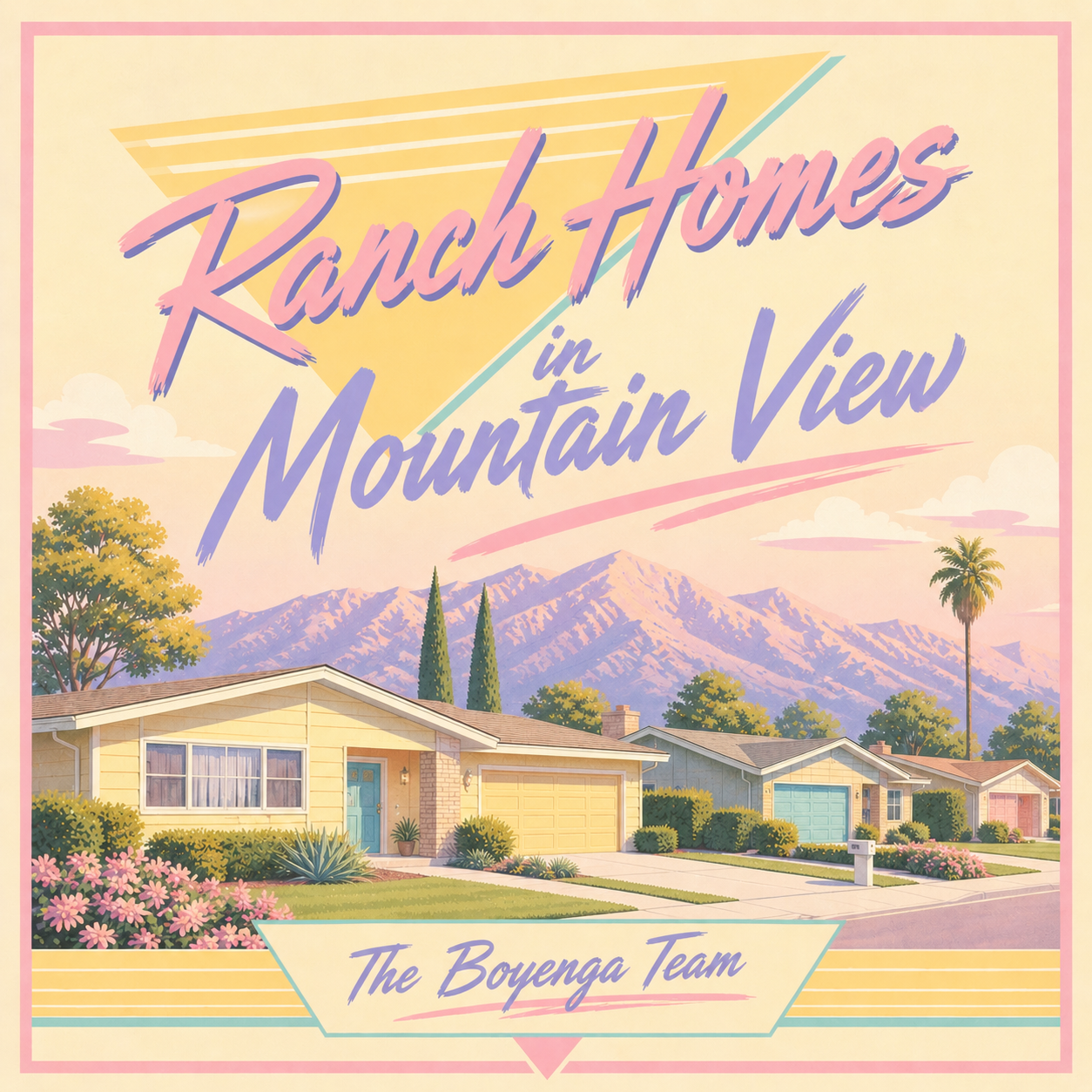
Ranch Homes in Mountain View: A Fresh Look at Design, Everyday Living, and Real Estate Potential
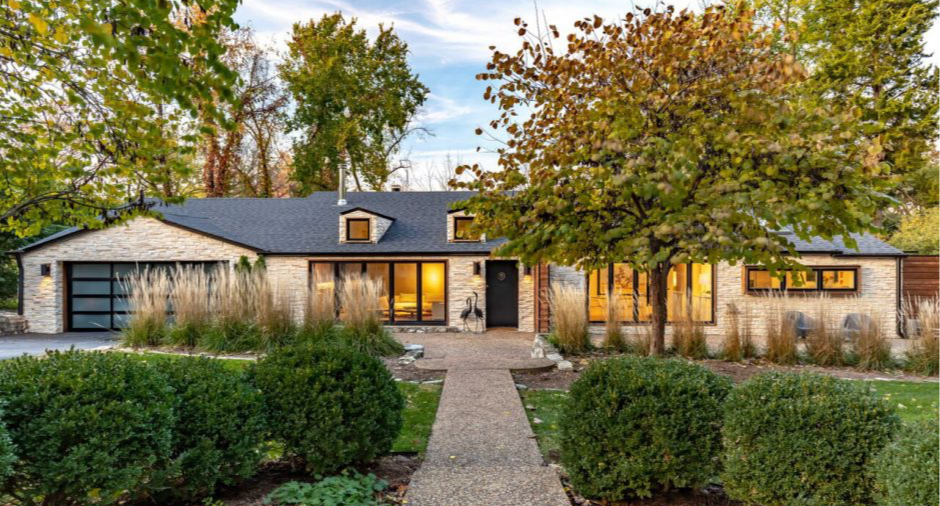
An Introduction to Ranch Homes in Mountain View
Mountain View blends globally recognized tech hubs with some of the Bay Area’s most quietly residential neighborhoods. Here, classic ranch-style homes line streets just blocks away from the headquarters of some of the world’s most valuable companies.
For buyers seeking ranch homes, single-story living, or properties with larger lots, Mountain View offers something increasingly hard to find in the region: authentic architectural character paired with a relaxed, unhurried lifestyle—right in the heart of one of the world’s most dynamic innovation centers.
The Boyenga Team, led by Eric and Janelle Boyenga at Compass, has long recognized Mountain View as one of Silicon Valley's most compelling markets. Their expertise in ranch-era neighborhoods, home preparation strategy, and luxury real estate marketing makes them a necessary resource for buyers and sellers navigating Mountain View real estate at all price points.
Why Ranch Homes Define Mountain View's Residential Identity
Mountain View's housing stock tells the story of California's postwar confidence in a particularly legible way. The city grew rapidly between the late 1940s and the mid-1960s, precisely the years when the California ranch form dominated residential construction across the Santa Clara Valley. Developers and merchant builders working in Mountain View during this era produced neighborhoods of horizontal, single-story homes that aligned perfectly with the region's mild climate, its car-oriented street planning, and a buyer culture that valued outdoor access as a daily amenity rather than a weekend luxury.
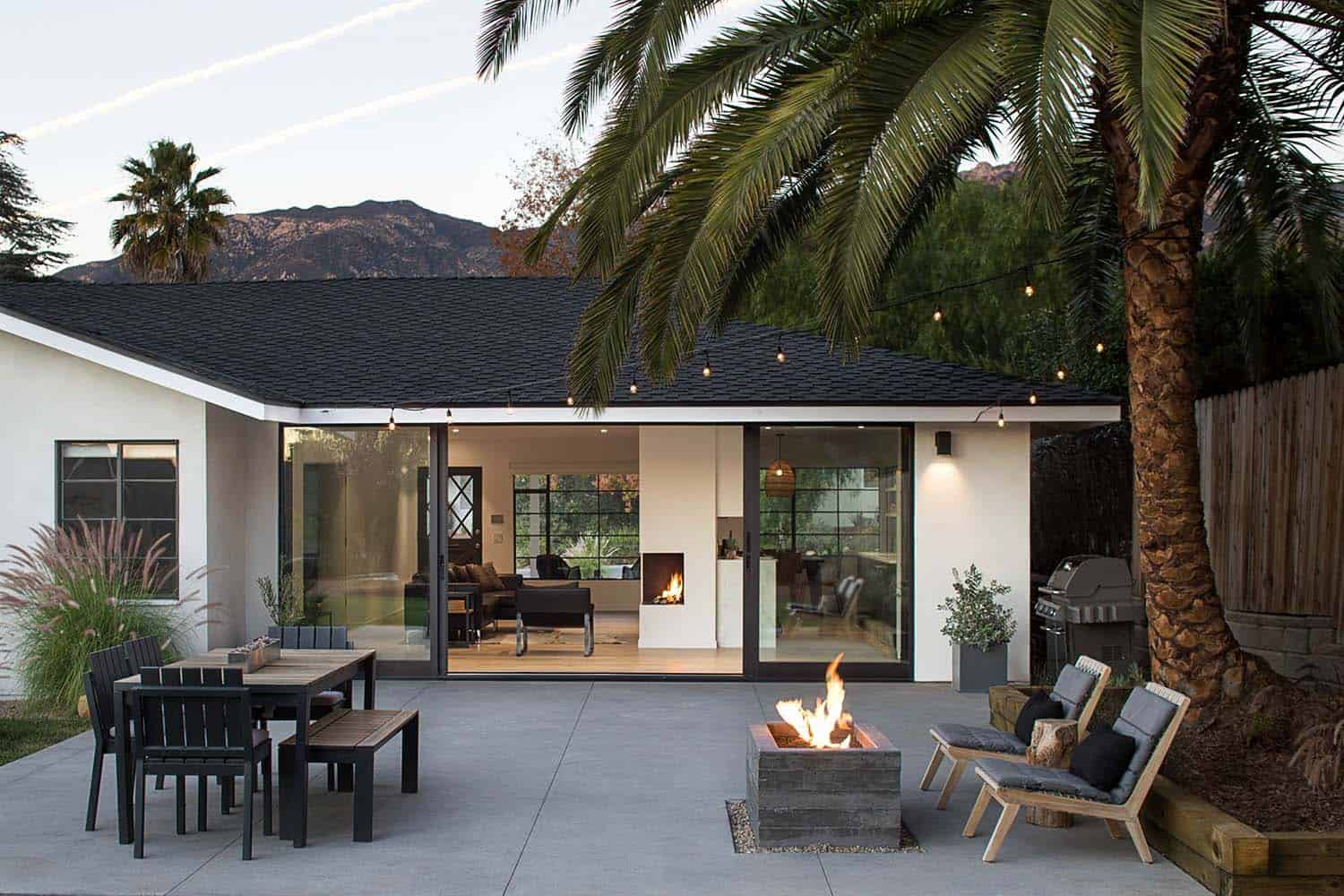
The defining features buyers still search for today were baked into Mountain View's ranch neighborhoods from the start: single-story layouts that eliminate stairs entirely, broad low-pitched rooflines with generous eave overhangs, attached garages integrated into the street facade, sliding glass doors opening to private rear yards, and a planning logic that treated the backyard as a genuine room rather than an afterthought. These are not period details that need to be apologized for or worked around. They are the reason Mountain View ranch homes for sale continue to attract highly competitive offers from buyers who understand that this combination of features is essentially impossible to replicate in new construction at comparable prices.
Modern buyers bring a second layer of appreciation to Mountain View's ranch stock that postwar buyers could not have anticipated. California's ADU policy environment has transformed the large rear yards typical of Mountain View ranch properties into genuine flexibility assets. Santa Clara County's ADU guide confirms that accessory dwelling units are permitted on single-family residentially zoned parcels, and Mountain View's own planning department has tracked consistent growth in ADU applications as homeowners recognize that a well-positioned ranch lot can support a detached studio, a multigenerational suite, or a long-term rental unit without sacrificing the primary home's livability. For buyers thinking about compound living, investment income, or future optionality, that policy context makes Mountain View ranch homes even more strategically valuable than their architecture alone would suggest.
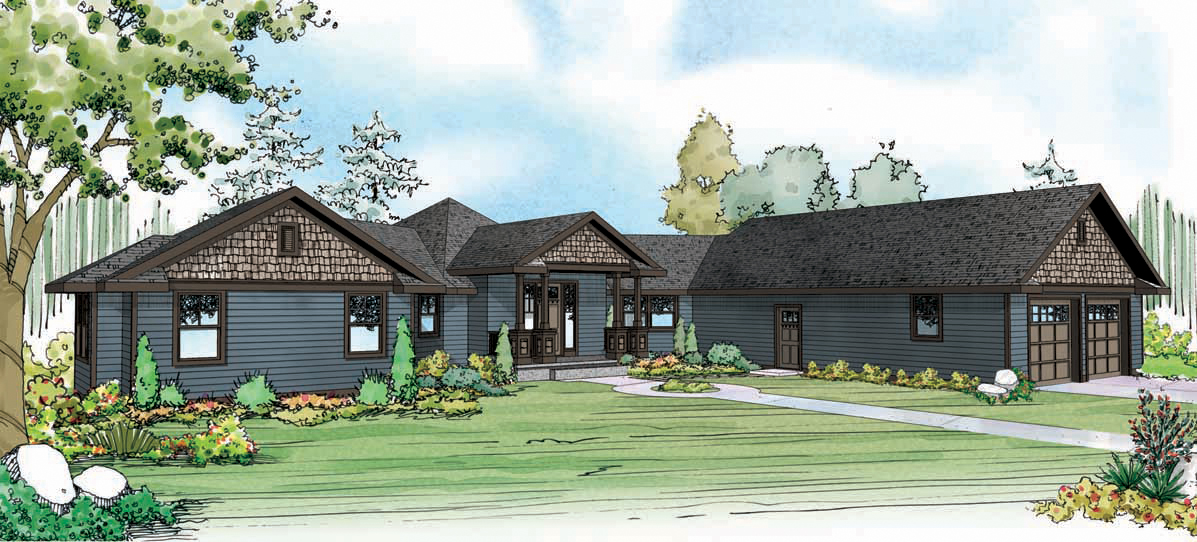
Historical Overview: From Orchard Town to Tech Capital
Mountain View's transition from an agricultural community to a Silicon Valley anchor city is one of the most consequential urban transformations in California history — and its ranch neighborhoods were born directly from that transformation. In the late 1940s and early 1950s, the Santa Clara Valley's orchard economy was already giving way to defense industry employment, research institutions, and the early formation of what would become the global technology sector. Mountain View, sitting between Palo Alto's academic gravity and Sunnyvale's industrial expansion, absorbed wave after wave of young professional families seeking affordable single-story homes within commuting distance of the region's growing employer base.
The city's postwar residential development was shaped by the same merchant-builder logic that defined ranch neighborhoods across San Jose, Sunnyvale, and Santa Clara — efficient street grids, consistent setbacks, standard lot depths in the 6,000 to 8,000 square foot range, and home designs that emphasized openness, garage integration, and backyard privacy. Mountain View's particular version of this story had an added dimension: proximity to Moffett Federal Airfield and NASA Ames Research Center brought a steady stream of engineers, scientists, and technically sophisticated households who valued functional, well-planned homes and showed little interest in decorative excess.
By the 1960s and 1970s, Mountain View's ranch neighborhoods were established, mature, and already beginning to attract the renovation interest that would intensify over the following decades. The city's growth after the emergence of Silicon Valley as a global technology center in the 1980s and 1990s created sustained pressure on housing inventory, which had the paradoxical effect of increasing the value of the existing ranch stock rather than displacing it. Buyers who might have expected to find newer construction instead discovered that Mountain View's postwar neighborhoods offered something newer areas could not: mature street trees, established lot dimensions, proximity to downtown, and a neighborhood scale that felt genuinely human.
Today, Mountain View's ranch neighborhoods exist in a state of active transformation. Original-condition homes trade on land value and buyer imagination. Sensitively remodeled ranches command turnkey premiums. The most ambitious projects — full expansions, ADU additions, and occasional teardowns replaced by architecturally considered new builds — illustrate the range of outcomes available on a well-positioned Mountain View ranch parcel. This layered market, where original bones and future potential coexist, is precisely what makes ranch homes Mountain View CA such a persistent focus for sophisticated buyers and investors.
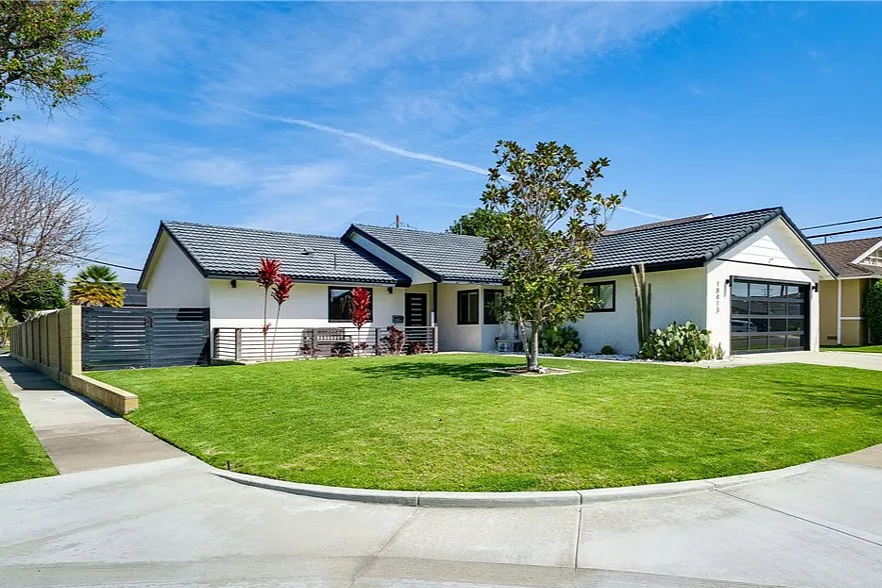
Architectural Highlights and Housing Inventory
Mountain View's ranch homes share the broad physical grammar of the California ranch tradition while expressing it in ways shaped by the city's specific development history. Street-facing facades are characteristically wide and low, emphasizing horizontal mass over vertical presence. Rooflines are shallow-pitched or nearly flat, with broad overhanging eaves that shade windows and create covered transitions between interior and exterior. Attached garages — typically single or double — are integrated into the front elevation in ways that feel resolved rather than appended. Rear yards are generous by Bay Area standards, opening off sliding glass doors or French doors from living rooms, family rooms, or primary bedrooms.
Typical Mountain View ranch homes were built in the 1,100 to 1,800 square foot range, though expanded examples frequently reach 2,000 to 2,600 square feet after thoughtful additions. Lot sizes generally run between 6,000 and 8,500 square feet in the city's core ranch neighborhoods, with corner lots and cul-de-sac properties occasionally offering more. Standard layouts lean toward three-bedroom, two-bath configurations, though four-bedroom plans were not uncommon in the larger builder models, and many owners have added bedrooms or converted spaces over the decades.
The renovation landscape in Mountain View's ranch stock reflects both the city's affluence and its architectural literacy. Kitchen and bath remodels are nearly universal in the upper price tier. Open-plan conversions — removing walls between kitchens, dining areas, and living rooms — have become the dominant layout intervention of the past fifteen years, creating the kind of casual, light-filled gathering spaces that buyers consistently rank as a top priority. High-end finishes, including wide-plank hardwood floors, Thermador or Wolf appliance suites, Caesarstone or quartzite countertops, and spa-caliber primary baths, are standard in the $2 million and above segment. Smart home integration, solar installations, and EV charging infrastructure appear with increasing frequency even in mid-range renovations, reflecting a buyer base that is both technically sophisticated and environmentally oriented.
Beyond the core ranch stock, Mountain View's residential landscape includes a meaningful presence of Eichler homes, particularly in the Monta Loma neighborhood and surrounding areas. These mid-century modern properties — with their post-and-beam construction, floor-to-ceiling glass walls, atriums, and radiant heated floors — occupy their own premium tier within the Mountain View market and attract a distinct buyer profile that values architectural purity alongside lifestyle functionality. The Boyenga Team's recognized expertise in both ranch-style and Eichler properties makes them uniquely positioned to guide buyers across Mountain View's full spectrum of design-forward single-story housing.
Demographic and Socioeconomic Profile
Mountain View's population of approximately 82,000 reflects the concentrated professional density that defines Silicon Valley's inner ring cities. The city's median household income ranks among the highest in the region, consistently exceeding $130,000 and frequently higher in the ranch-era neighborhoods that attract established tech professionals and senior executives. Educational attainment is exceptionally high — bachelor's degree rates above 70% are common in Mountain View's owner-occupied neighborhoods — reflecting a buyer base that approaches real estate decisions with the same analytical rigor they bring to professional challenges.
The homeowner demographic in Mountain View's ranch neighborhoods skews toward dual-income technology households, typically in the 35 to 55 age range, often with school-age children and a strong preference for single-story living that accommodates both an active family lifestyle and the kind of home-office functionality that hybrid work schedules demand. A secondary but growing buyer segment consists of downsizers — typically empty nesters from larger Silicon Valley homes who are drawn to Mountain View's walkability, downtown access, and the practical appeal of single-level living without sacrificing the garden, the entertaining space, or the neighborhood quality they have spent decades building into their lives.
Mountain View's cultural diversity adds a further dimension to its real estate market. The city has a significant South and East Asian professional population, a substantial Hispanic community with deep roots in the area, and a broadly international character shaped by decades of technology-sector immigration. This diversity is reflected in the range of buyer priorities evident in Mountain View real estate transactions, where buyers from different cultural backgrounds bring varying but consistently strong expectations around school quality, neighborhood stability, lot utility, and long-term asset value.
School Districts and Education Landscape
Schools are among the most powerful drivers of real estate demand in Mountain View, and the city's educational landscape is both highly regarded and somewhat complex in its geographic distribution. Mountain View's public schools are served primarily by the Mountain View Whisman School District for elementary and middle grades, and the Mountain View Los Altos Union High School District for high school. Mountain View High School and Los Altos High School are the two comprehensive high schools within the district, both of which carry strong academic reputations and a broad array of extracurricular and Advanced Placement offerings that appeal strongly to the city's highly educated parent community.
Elementary schools within the Mountain View Whisman district vary by neighborhood assignment, and buyers are consistently advised — as the Santa Clara County Office of Education explicitly recommends — to verify specific school assignments by parcel address directly with the serving district before making purchase decisions based on school boundaries. In practice, the city's ranch neighborhoods span multiple elementary attendance zones, and the distinction between specific school assignments can have a measurable effect on pricing and buyer competition within otherwise similar blocks.
Private school options accessible to Mountain View families include a range of independent and parochial institutions across the Peninsula and South Bay, including Sacred Heart Schools in Atherton, Pinewood School in Los Altos, and various Montessori and independent elementary programs within the immediate area. For families with higher education on their horizon, Mountain View's location — roughly equidistant between Stanford University in Palo Alto and San Jose State University to the south — reinforces the city's identity as a place where educational capital is embedded in the broader community fabric, not just in the public school system.
School quality's effect on Mountain View real estate pricing is not subtle. Ranch neighborhoods within the highest-demand school attendance zones consistently command pricing premiums over otherwise comparable properties in adjacent zones, and days-on-market data confirms that school-zone alignment is among the first filters applied by family buyers entering the Mountain View market.
Neighborhood Attractions and Lifestyle
Mountain View's lifestyle appeal rests on a combination of assets that few Silicon Valley cities can match at the same scale: a genuinely walkable downtown, an exceptional trail network, proximity to the Bay, and a food and retail culture that reflects the city's international character without losing its neighborhood warmth.
Castro Street, Mountain View's primary downtown corridor, functions as a daily destination rather than a weekend draw. The street hosts a rotating collection of restaurants spanning Vietnamese, Japanese, Indian, Mexican, Mediterranean, and contemporary Californian cuisines, alongside coffee shops, wine bars, specialty retail, and a weekly Farmers Market that has operated continuously for decades. For ranch-neighborhood residents, the ability to walk or cycle to Castro Street from a single-story home with a private yard represents a lifestyle combination that many buyers spend years seeking in vain elsewhere in the Bay Area.
The Stevens Creek Trail and the broader Bay Trail network give Mountain View one of the most accessible recreational corridors in Silicon Valley. The Stevens Creek Trail connects Mountain View to Cupertino and beyond, offering a low-traffic cycling and running route that also serves as a practical commute corridor for the significant segment of Mountain View's population employed at nearby campuses. Shoreline at Mountain View — a 750-acre regional park on the city's northern edge — adds sailing, kayaking, bird watching, and open-air concert access within a few minutes of the city's ranch neighborhoods, a proximity that buyers from denser urban environments consistently describe as transformative.
For families, Mountain View's combination of parks, trails, downtown access, and school quality creates a daily rhythm that feels both stimulating and sustainable. For remote workers and hybrid-schedule professionals, the city's café culture, library system, and walkable neighborhood character support a productive work-from-home lifestyle without requiring a car for every errand. For outdoor enthusiasts, the trail network, Shoreline, and the easy access to the Santa Cruz Mountains via Highway 17 or Skyline Boulevard make Mountain View a genuinely multi-season outdoor base.
Commuting and Tech Employer Access
If Mountain View has a single defining real estate advantage over otherwise comparable Silicon Valley cities, it may be its commute geometry. The city sits at the practical center of the region's most important employer cluster, in a configuration that makes almost no major tech campus more than fifteen to twenty minutes away under typical conditions.
Google's global headquarters at 1600 Amphitheatre Parkway sits directly within Mountain View's city limits, making the city the only Silicon Valley municipality where a significant portion of ranch-home buyers can walk, cycle, or take an internal shuttle to work at one of the world's largest companies. Apple Park in Cupertino is accessible via Central Expressway or Highway 85 in under fifteen minutes. Meta's Menlo Park campus is reachable via Highway 101 North in a comparable window. LinkedIn's Sunnyvale campus, Microsoft's Silicon Valley headquarters in Sunnyvale, and NVIDIA's Santa Clara campus are all within a twenty-minute driving radius under normal traffic conditions. Adobe and Cisco in San Jose are accessible via 101 South or Central Expressway in twenty to thirty minutes depending on origin.
Transit access complements the driving geometry meaningfully. The Mountain View Caltrain station, one of the busiest on the Peninsula corridor, provides direct service to San Francisco, Palo Alto, San Jose, and intermediate stops, making Mountain View one of the few Silicon Valley cities where a car-free or car-light commute to San Francisco is genuinely practical. The city's VTA bus network and its integration with the broader regional transit system add further optionality for buyers who prioritize transit access as both a lifestyle and a cost consideration. Highway 101, U.S. 85, and Central Expressway provide the automotive backbone that connects Mountain View ranch neighborhoods to the full breadth of Silicon Valley's employment geography.
Real Estate Market Analysis
Mountain View's real estate market reflects its position as one of Silicon Valley's most desirable inner-ring cities — expensive, competitive, and consistently undersupplied relative to demand. Ranch homes Mountain View CA occupy a particularly strong position within that market because they combine the lifestyle attributes most valued by the city's dominant buyer profile — single-story living, yard depth, indoor-outdoor flow — with lot sizes that support meaningful expansion and ADU development in a policy environment that actively facilitates both.
Current market data places Mountain View's median home sale price in the $1.7 million to $2.1 million range depending on segment, period, and property type, with ranch-style single-family homes frequently commanding premiums at the upper end of that band when they combine good school alignment, updated interiors, and meaningful lot size. Price per square foot for ranch homes in Mountain View typically runs between $1,100 and $1,500 for well-maintained or renovated examples, with turnkey properties in top school zones and premium locations capable of exceeding those figures in competitive offer situations.
Days on market for desirable Mountain View ranch homes remain short by national standards — typically seven to fifteen days for well-priced properties in strong school zones, with multiple-offer situations common for homes that are well-prepared, accurately priced, and professionally marketed. The city's inventory constraints are structural rather than cyclical: Mountain View is largely built out, rezoning opportunities are limited in residential neighborhoods, and the combination of job growth, population pressure, and high homeownership rates suppresses turnover. That supply constraint is a persistent tailwind for Mountain View ranch home values regardless of broader interest rate conditions.
Price appreciation in Mountain View over the past decade has tracked closely with the Silicon Valley metro average while benefiting from the city's specific employer adjacency premium. The FHFA all-transactions index for the San Jose–Sunnyvale–Santa Clara MSA rose approximately 59% between late 2015 and late 2025, and Mountain View's ranch neighborhoods have generally outperformed the metro average in periods of strong tech-sector hiring, when Google and its supply chain of adjacent companies pull concentrated demand directly into the local housing market.
Compared to neighboring cities, Mountain View ranch homes sit in a compelling middle position. Palo Alto and Los Altos ranch properties frequently trade above $3 million for comparable square footage and lot size, reflecting their school district premiums and prestige addressing. Sunnyvale and Santa Clara ranch homes often trade at a modest discount to Mountain View, offering value opportunities for buyers willing to accept a slightly longer Google campus commute. Within Mountain View itself, the Monta Loma, Cuernavaca, Rex Manor, and Shoreline West neighborhoods represent the city's most ranch-dense and architecturally coherent residential areas, each with its own micro-market dynamics and school assignment patterns.
Case Studies and Sales Examples
The Mountain View ranch market's range is best understood through representative transactions that illustrate how buyers, sellers, and the market itself are pricing different versions of the ranch proposition.
At the original-condition end of the spectrum, Mountain View ranch homes on larger lots — particularly those with ADU potential, rear-yard depth, or corner positioning — consistently attract investor and developer interest alongside owner-occupier buyers. These properties trade on land value and future optionality, with buyers accepting dated kitchens, original baths, and pre-renovation finishes in exchange for the flexibility to build the home they actually want on a site they couldn't otherwise access at the price point. In competitive situations, these properties regularly sell above asking price as multiple buyer profiles compete simultaneously for the same asset.
Renovated ranch homes in Mountain View tell a different story. A well-executed kitchen-and-bath remodel combined with an open-plan conversion, new flooring, updated systems, and professional staging can shift a Mountain View ranch from the $1.7 million tier to the $2.2 million tier — a delta that frequently justifies the renovation investment many times over when executed with design sophistication and market awareness. The most compelling renovated ranch sales in Mountain View typically share several characteristics: they preserve the single-story massing and indoor-outdoor character that define the type, they update the kitchen and primary bath to a level consistent with the buyer profile's expectations, and they present the backyard as a finished entertaining and living space rather than an undifferentiated lawn.
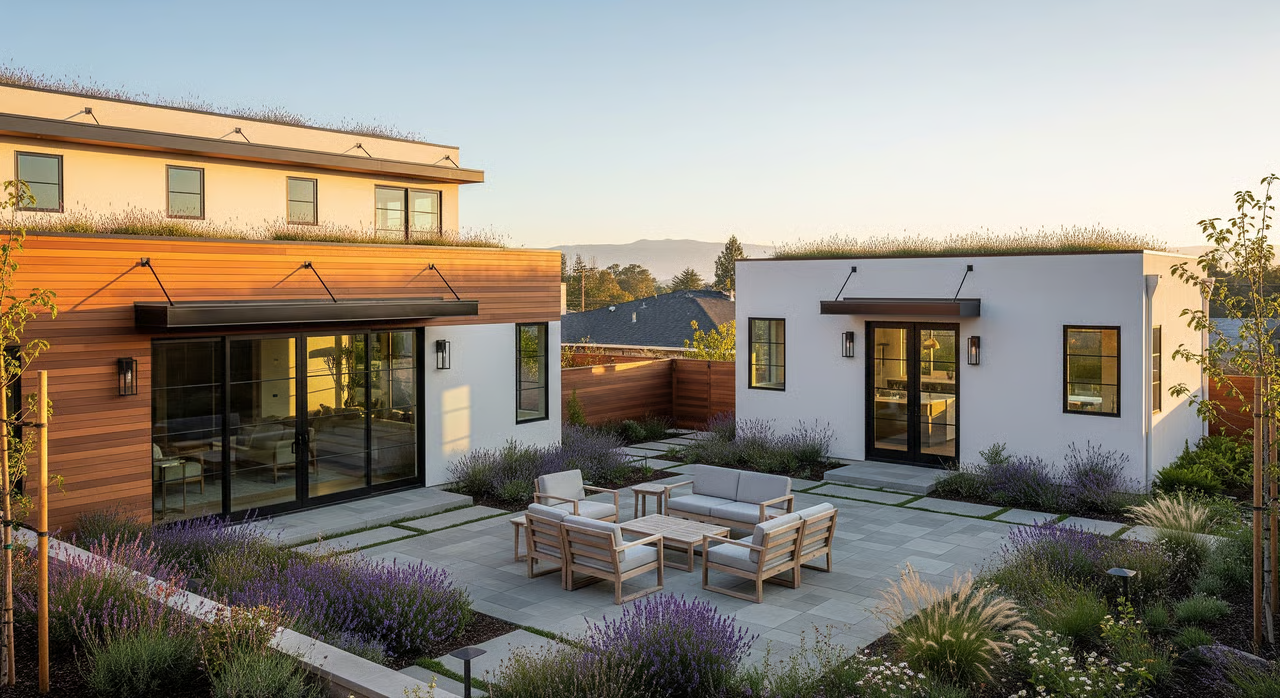
At the expansion end of the spectrum, Mountain View ranch lots have supported some of the most ambitious residential projects in Silicon Valley's mid-market segment. Additions that extend the original footprint by 500 to 1,000 square feet — adding a primary suite, a family room, or a dedicated home office wing — are common in the city's upper ranch tier, and the resulting homes frequently compete effectively with newer construction at significantly lower price-per-square-foot figures. ADU additions, now routine in Mountain View's ranch neighborhoods, add a further value dimension that buyers with an investment orientation find especially compelling in a rental market where Silicon Valley yields on well-located accessory units remain strong.
The Boyenga Team Advantage in Mountain View
Mountain View ranch homes reward the kind of expertise that goes beyond standard transaction management. They require buyers who can read a floor plan's expansion potential, assess a lot's ADU viability, understand the school-boundary implications of a specific address, and evaluate renovation scope with the eye of someone who has seen hundreds of comparable projects. They require sellers who can position a property not just as a house, but as a lifestyle opportunity, a land asset, and a design canvas — and who can market it to the full range of buyers who understand that value equation.
The Boyenga Team, led by Eric and Janelle Boyenga at Compass, brings precisely that combination of skills to the Mountain View market. As recognized Silicon Valley real estate experts and specialists in design-forward homes — including both California ranch properties and Eichler mid-century modern architecture — Eric and Janelle Boyenga approach every Mountain View transaction with the analytical depth and marketing sophistication that the city's demanding buyer and seller base expects.
For buyers, the Boyenga Team's advantage in Mountain View lies in their ability to identify high-potential ranch homes before they reach peak competition, evaluate renovation scope and ADU opportunity with construction-informed precision, and navigate the school-boundary and neighborhood micro-market nuances that can separate a well-positioned purchase from a compromised one. Their access to Compass's off-market and Private Exclusives network means that Mountain View buyers working with the Boyenga Team see opportunities that never reach the public MLS — a meaningful advantage in a city where inventory constraints make timing and access critically important.
For sellers, the Boyenga Team's approach to Mountain View ranch home marketing reflects their understanding that these properties are not just sold — they are positioned. Eric and Janelle Boyenga leverage Compass's three-phase marketing strategy, professional photography, architectural storytelling, and targeted digital distribution to ensure that a Mountain View ranch home reaches every qualified buyer in the market, not just those who happen to be watching the MLS on the day it lists. Their track record in preparing and presenting design-forward homes for maximum value is directly relevant in a market where the difference between a good sale and a great sale is often a matter of presentation, pricing strategy, and the depth of the buyer pool the listing generates.
When you are ready to buy or sell a ranch home in Mountain View, the Boyenga Team is ready to bring their full expertise, network, and marketing capability to your transaction. Contact Eric and Janelle Boyenga at the Boyenga Team to discuss your Mountain View modern home buying or selling goals — and discover why Silicon Valley's most design-conscious buyers and sellers consistently choose the Property Nerds of the Boyenga Team at Compass.