
Saratoga’s Ranch Homes: Privacy, World Class Schools, and the Best Lots in the Valley
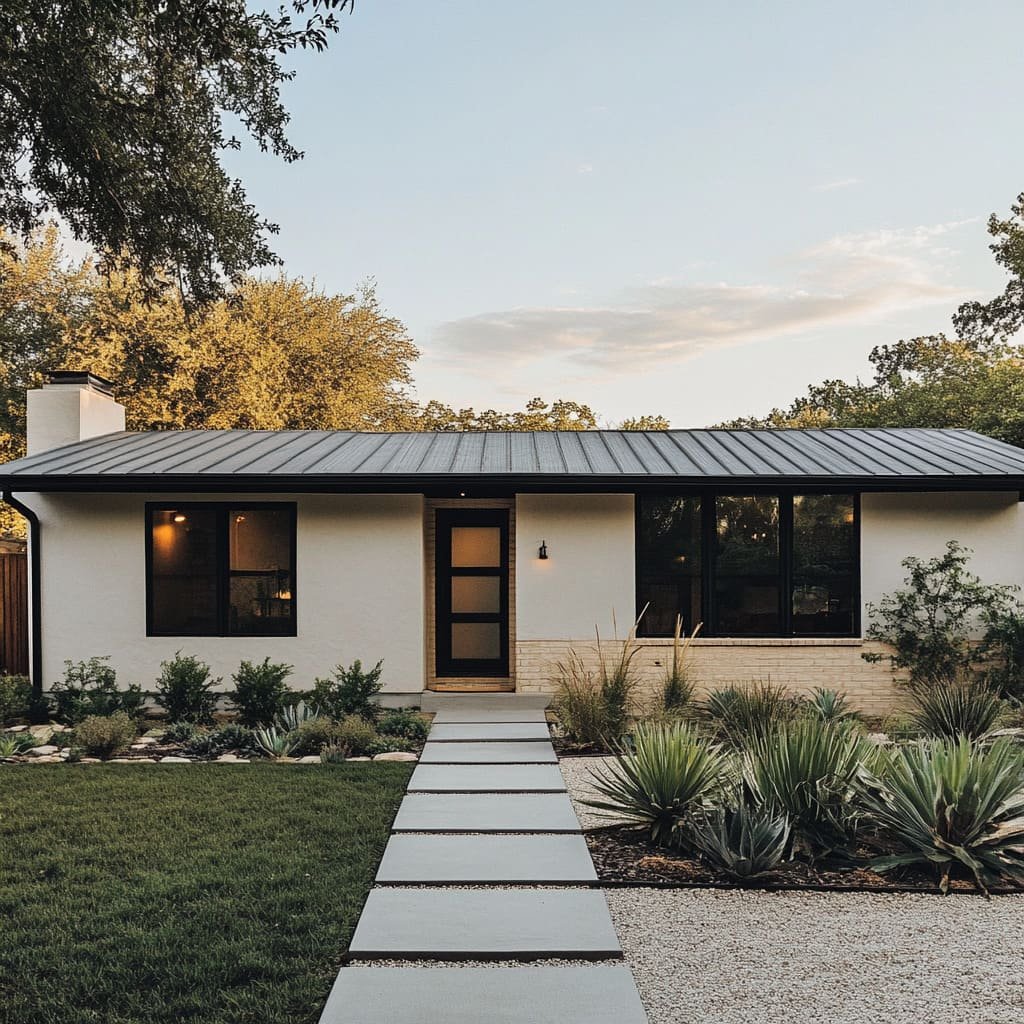
Why Saratoga Is in a Category of Its Own
There are cities in Silicon Valley where technology and residential life coexist in uneasy proximity, and then there is Saratoga. Tucked against the eastern foothills of the Santa Cruz Mountains, Saratoga has spent decades cultivating a residential identity that feels genuinely apart from the valley floor's relentless pace — quieter streets, deeper lots, taller trees, and a prevailing sense that the homes here were built for people who had already decided what mattered most. For buyers searching for ranch homes Saratoga, luxury single-story homes Saratoga CA, or estate lot homes in Silicon Valley, the city offers a combination that no neighboring community can fully replicate: the privacy and natural beauty of a foothills setting, paired with one of the most celebrated school districts in California and a real estate market that has demonstrated exceptional long-term value resilience.
Ranch-style homes occupy a special place within Saratoga's housing landscape. Unlike in denser Silicon Valley cities where the ranch typology competes with townhomes, condominiums, and tightly packed newer construction, Saratoga's ranch neighborhoods exist within a broader residential culture that has always prioritized space, privacy, and architectural quality over density and convenience. The result is a ranch stock that feels more expansive, more private, and more consistently well-maintained than almost anywhere else in the region.
The Boyenga Team, led by Eric and Janelle Boyenga at Compass, brings deep familiarity with Saratoga's luxury ranch market to every transaction they handle in the city. As Silicon Valley real estate experts with a specialization in design-forward and architecturally significant homes, Eric and Janelle Boyenga understand Saratoga not just as a collection of addresses but as a living real estate ecosystem — one where school boundaries, lot topology, hillside orientation, and architectural condition interact in ways that require genuine local knowledge to navigate confidently.
The Character That Sets Saratoga Apart
Saratoga's residential identity was not engineered by a single developer or defined by a single decade of construction. It accumulated gradually, shaped by a civic culture that valued preservation over redevelopment, estate-scale land use over density, and neighborhood character over rapid growth. That accumulation is visible in the city's ranch neighborhoods today — in the maturity of the street trees, the depth of the setbacks, the variety of architectural expression within a shared single-story vocabulary, and the almost total absence of the visual clutter that defines more commercially pressured Silicon Valley addresses.
The city's western positioning along the valley's edge gives it a microclimate and a visual character that distinguishes it from Cupertino to the north, Los Gatos to the south, and the denser valley floor cities to the east. Afternoon light in Saratoga arrives differently — filtered through oak canopies, softened by the proximity of the hills, and warmer in tone than the flat valley light that defines most of Silicon Valley's residential experience. For buyers who have spent years in tech-corridor cities and are ready for a home that feels genuinely removed from the office park aesthetic, Saratoga's ranch neighborhoods represent an arrival rather than a compromise.
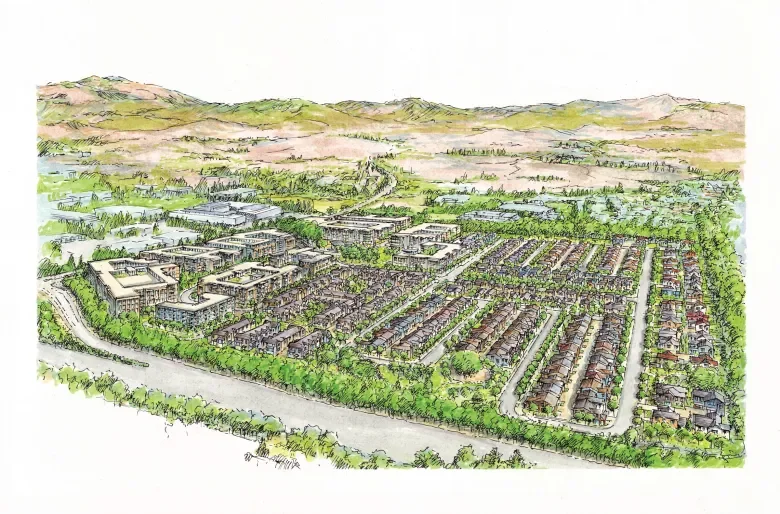
From Orchards to Estate Streets: Saratoga's Residential Origin Story
Saratoga's postwar residential development unfolded more slowly and more deliberately than in the valley floor cities to its east. Where San Jose, Sunnyvale, and Mountain View absorbed rapid merchant-builder tract development in the late 1940s and 1950s, Saratoga's topography, its smaller land parcels available for subdivision, and its existing identity as a semi-rural orchard and estate community meant that residential growth came in smaller increments and with a higher average land component per home.
The ranch homes that define Saratoga's core residential neighborhoods were built primarily between the mid-1950s and the late 1960s, often on lots that were already generous by Santa Clara Valley standards and that reflected the city's longstanding preference for space over density. Many of Saratoga's ranch neighborhoods were developed by smaller regional builders rather than the large merchant-builder operations that produced thousands of nearly identical units elsewhere in Silicon Valley, which contributes to the architectural variety and lot-size range visible in the city's ranch stock today.
The city incorporated in 1956, and its early municipal government established zoning and development standards that explicitly protected the low-density, semi-rural character that existing residents valued. Those standards have been maintained and reinforced through successive planning cycles, with the result that Saratoga today remains one of the least densely developed incorporated cities in Santa Clara County — a fact that directly shapes the ranch home market by limiting new supply, protecting lot sizes, and maintaining the neighborhood character that commands premium pricing.
The decades since the 1970s brought steady renovation and upgrading of Saratoga's ranch stock rather than replacement. The city's affluent and education-oriented buyer base has consistently invested in improving existing homes rather than pursuing teardown-and-rebuild strategies at the scale seen in some neighboring cities, though architecturally ambitious new builds and major expansions on ranch-era parcels have become more common in the past fifteen years as land values have made even modest Saratoga lots worth substantial investment.
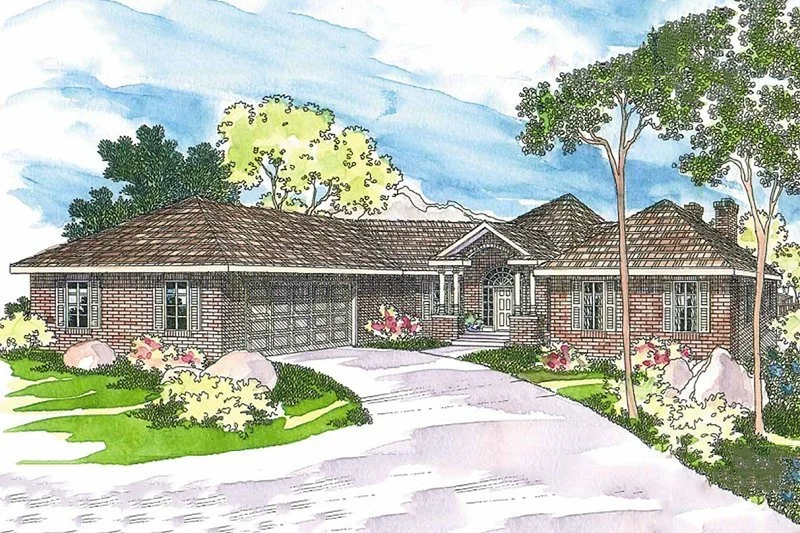
The Architecture of Saratoga Ranch Living
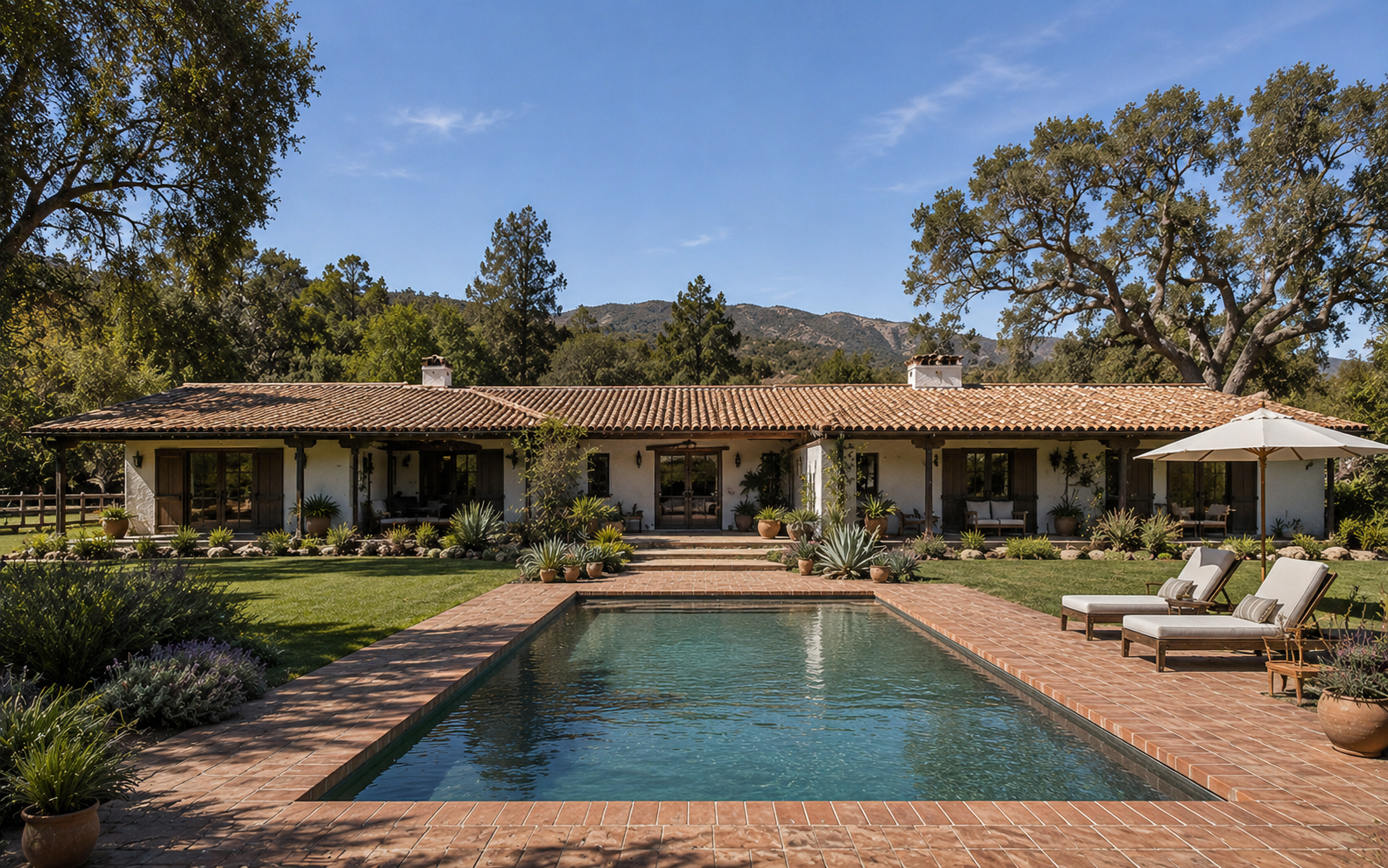
Saratoga's ranch homes share the foundational vocabulary of California ranch architecture — single-story massing, horizontal emphasis, low-pitched rooflines, attached garages, rear yard privacy — but express it at a scale and with a land generosity that distinguishes them from ranch properties in more densely developed Silicon Valley cities. Lot sizes in Saratoga's ranch neighborhoods routinely exceed 10,000 square feet, and lots of 12,000 to 18,000 square feet are common in the city's more established areas. Corner lots, flag lots, and hillside-adjacent parcels add further variety to a land inventory that consistently rewards buyers willing to look beyond surface condition to underlying site quality.
Home sizes in Saratoga's ranch stock span a wider range than in most Silicon Valley ranch markets. Original builds typically ran from 1,400 to 2,200 square feet — larger than comparable postwar ranch construction in Sunnyvale or Santa Clara, reflecting both the city's higher average land values and the buyer profile that shaped demand from the beginning. Expanded and remodeled examples frequently reach 2,500 to 3,500 square feet, and the most ambitious additions — primary suite wings, detached guest structures, pool houses, and full second-story additions on ranch-era foundations — have produced homes that compete directly with purpose-built luxury construction at a fraction of the land cost.
Architectural expression within Saratoga's ranch neighborhoods ranges from carefully preserved original-condition homes — with their honest materiality, period hardware, and intact spatial sequences — to comprehensively reimagined residences where the single-story bones have been transformed by designers and architects working at the highest level of Silicon Valley residential renovation. The most celebrated examples in the latter category are increasingly appearing in regional shelter publications and real estate marketing materials as evidence that the California ranch form, properly executed at the Saratoga land scale, can produce homes that rival any residential typology in the region for elegance, livability, and architectural coherence.
Mature landscaping is an underappreciated but significant component of Saratoga ranch home value. Lots that have been in continuous ownership for twenty or thirty years frequently feature specimen oaks, established fruit orchards — a nod to the city's agricultural heritage — Japanese maples, and layered garden compositions that would take decades to replicate from scratch. For buyers who understand that landscape maturity is essentially irreproducible on a human timeline, a well-gardened Saratoga ranch lot represents a value dimension that does not appear in any comparable sale calculation but is immediately apparent on a site visit.
Who Calls Saratoga Home
Saratoga's population of approximately 31,000 makes it one of Silicon Valley's smaller incorporated cities, but its socioeconomic profile is among the most distinctive in the region. Median household income in Saratoga consistently ranks among the highest in California, reflecting a residential community composed primarily of senior technology executives, successful entrepreneurs, physicians, attorneys, and established multi-generational families who chose the city specifically for its combination of school quality, neighborhood character, and long-term asset stability.
Homeownership rates in Saratoga are exceptionally high, and tenure lengths — the number of years residents remain in their homes — are longer than in most Silicon Valley cities. This combination of high ownership and low turnover creates the inventory constraints that define the Saratoga ranch market: demand from a well-capitalized buyer pool consistently exceeds the supply of available homes, which has been a persistent driver of price appreciation and competitive offer dynamics regardless of broader market conditions.
The buyer profile for Saratoga ranch homes has evolved meaningfully over the past decade. While the city's traditional buyer base of established Silicon Valley professionals and multi-generational families remains dominant, a growing segment of buyers consists of senior technology executives and founders in their 40s and early 50s who are making a deliberate move away from the valley floor's density and pace. These buyers bring substantial purchasing power, a sophisticated aesthetic sensibility developed through years of exposure to world-class design, and a clear preference for the kind of private, land-rich, single-story living that Saratoga's ranch neighborhoods uniquely provide at the quality level they expect.
Schools: Saratoga's Most Powerful Real Estate Driver
Saratoga's lifestyle proposition is built on a carefully maintained tension between accessibility and retreat. The city is close enough to Silicon Valley's employment centers, cultural institutions, and commercial infrastructure to function as a fully convenient primary residence. It is far enough from the valley floor's density and pace to feel like a genuine escape at the end of a demanding day. For buyers who have spent years making compromises between location and livability, Saratoga resolves that tension in a way that few Silicon Valley addresses can match.
Downtown Saratoga Village is the city's social and cultural anchor — a walkable collection of fine dining restaurants, boutique wine bars, specialty retail, and service businesses that reflects the community's affluence and its preference for quality over convenience. Restaurants along Big Basin Way have earned regional recognition for their food and wine programs, and the Village's weekend character — unhurried, community-oriented, and genuinely pleasant — stands in marked contrast to the commercial intensity of most Bay Area retail districts.
The Saratoga Farmers Market, held weekly in the Village, has become one of the West Valley's most beloved community institutions, drawing residents from neighboring cities and reinforcing the city's identity as a place that takes the quality of daily life seriously. For ranch-neighborhood residents within walking or cycling distance of the Village, the market represents the kind of weekly ritual that transforms a house into a home and a neighborhood into a community.
Hakone Estate and Gardens, the oldest Japanese garden in the Western Hemisphere, sits within Saratoga's city limits and provides both a cultural landmark and a daily reminder that the city's commitment to beauty and preservation extends well beyond its residential neighborhoods. The garden's 18 acres of bamboo groves, koi ponds, and traditional Japanese structures attract visitors from across the Bay Area while remaining genuinely accessible to Saratoga residents as a contemplative local resource.
For outdoor access, Saratoga's foothills position is an extraordinary asset. Sanborn County Park, Castle Rock State Park, and the broader trail network connecting Saratoga to the Skyline ridge provide hiking, mountain biking, and equestrian access within minutes of the city's ranch neighborhoods — a recreational offering that flatland Silicon Valley cities simply cannot replicate. The drive up Highway 9 toward the Santa Cruz Mountains is itself a Saratoga lifestyle benefit, offering a visual and psychological transition from valley intensity to coastal calm that residents describe as one of the city's underrated daily pleasures.
Commuting and Employer Access
Saratoga's real estate market occupies the uppermost tier of Silicon Valley residential pricing, and ranch homes within the city's most desirable school boundaries and neighborhood locations represent some of the most consistently valued residential assets in the entire Bay Area. Median home sale prices in Saratoga have consistently tracked above $3 million in recent market cycles, with ranch homes on estate-sized lots in prime school zones frequently transacting between $3.5 million and $5 million depending on condition, lot size, and the quality of any improvements.
Price per square foot for Saratoga ranch homes reflects both the premium land component and the renovation investment typical of the city's upper-tier properties. Well-maintained or renovated ranch homes in Saratoga's strongest locations regularly command between $1,400 and $1,900 per square foot, with exceptional properties — those combining architectural distinction, mature landscaping, and optimal school assignment — capable of exceeding those figures in competitive offer situations. The land value component in Saratoga ranch transactions is proportionally higher than in most Silicon Valley cities, reflecting both the scarcity of large lots and the premium that buyers place on the privacy, expansion potential, and outdoor living quality that generous parcels provide.
Inventory in Saratoga's ranch market is structurally constrained in ways that have persisted across multiple market cycles. The city's low density, high homeownership rate, and long average tenure create a supply environment where the number of available ranch homes for sale at any given time is small relative to the depth of qualified buyer interest. This dynamic has historically supported pricing resilience even in periods of broader market softening, as the most motivated buyers — those specifically committed to Saratoga's school district and neighborhood character — compete for a limited pool of available properties regardless of interest rate conditions.
Compared to neighboring West Valley communities, Saratoga ranch homes command a consistent premium over Los Gatos and Campbell comparable properties, reflecting the school district differential and the city's more established luxury market positioning. Within Saratoga itself, the neighborhoods closest to the Village and within the Saratoga High School attendance boundary represent the most consistently competitive micro-markets, while hillside-adjacent and larger-lot properties in the city's western reaches attract a distinct buyer segment willing to trade some commute convenience for extraordinary privacy and natural setting.
Case Studies and the Saratoga Ranch Value Story
The Saratoga ranch market's distinctive characteristics are most legible in the transactions that illustrate how buyers and sellers navigate the city's specific value drivers. Original-condition ranch homes in Saratoga — those that retain their postwar kitchens, period baths, and unmodified floor plans — present a different investment thesis than in most Silicon Valley markets. Because Saratoga lot values are so substantial, an original-condition ranch on a 12,000 to 15,000 square foot lot frequently attracts both renovation-minded owner-occupiers and developer buyers simultaneously, creating competitive offer dynamics that can push prices meaningfully above asking even for homes that require significant investment to reach the city's prevailing finish standard.
Renovated Saratoga ranch homes at the upper end of the market demonstrate the ceiling that the city's combination of lot scale, school quality, and neighborhood prestige can support. Properties that combine a thoughtfully expanded single-story floor plan — typically in the 2,800 to 3,500 square foot range — with high-end kitchen and bath finishes, resort-quality rear yard development including pool, spa, and outdoor kitchen, and mature landscape design regularly achieve sale prices that place them among the most valuable ranch transactions in all of Silicon Valley. These properties are not competing with ranch homes in neighboring cities; they are competing with new construction luxury builds and architecturally significant mid-century modern properties for the same pool of discerning, capital-rich buyers.
ADU development in Saratoga has followed the statewide trend while reflecting the city's specific land and buyer profile. Detached guest structures and accessory dwelling units on Saratoga ranch lots tend toward the higher end of the quality spectrum — architecturally coherent with the primary residence, finished to a standard consistent with the city's luxury market positioning, and designed for long-term flexibility as multigenerational living arrangements, caregiver accommodations, or premium rental income rather than purely budget-oriented investment returns.
The Boyenga Team Advantage in Saratoga
Saratoga's ranch market rewards a level of local knowledge, luxury marketing sophistication, and architectural literacy that goes well beyond what standard transaction management can provide. Buyers navigating Saratoga real estate need to understand not just current pricing but the micro-market dynamics that distinguish one block from another, the school boundary nuances that can shift a property's competitive set entirely, and the renovation and expansion potential that determines whether a given ranch home represents a sound long-term investment at its asking price. Sellers in Saratoga's luxury ranch market need a marketing approach that positions their property within the full context of Silicon Valley luxury real estate — not just as a single-story home on a large lot, but as a lifestyle asset, a land investment, and an architectural opportunity that deserves to reach every qualified buyer in a market that extends well beyond the immediate neighborhood.
Eric and Janelle Boyenga bring both dimensions of that expertise to the Saratoga market. As recognized leaders in Silicon Valley luxury real estate and specialists in design-forward homes, the Boyenga Team approaches every Saratoga ranch transaction with the depth of market knowledge, the quality of presentation, and the breadth of buyer network that the city's demanding price points require. Their access to Compass's Private Exclusives and off-market network means that Saratoga buyers working with the Boyenga Team encounter opportunities that never reach the public MLS — a critical advantage in a market where the best properties frequently generate multiple offers within days of becoming available.
For sellers, the Boyenga Team's luxury marketing approach is specifically calibrated to Saratoga's buyer profile. Eric and Janelle Boyenga understand that a Saratoga ranch home is not sold through standard MLS exposure alone — it is positioned through architectural photography, design-forward storytelling, targeted outreach to the Silicon Valley executive buyer community, and the kind of strategic preparation and staging that transforms a well-maintained home into an irresistible market opportunity. Their track record of achieving premium outcomes for design-conscious sellers in Silicon Valley's most competitive luxury markets is directly applicable to Saratoga's ranch segment, where the difference between a good sale and a great one is consistently a matter of preparation, positioning, and the depth of the buyer pool the listing generates.
When you are ready to explore Saratoga ranch homes for sale — whether as a buyer seeking the West Valley's finest single-story living or a seller ready to realize the full value of your Saratoga property — connect with Eric and Janelle Boyenga and the Boyenga Team at Compass. The Property Nerds of the Boyenga Team are ready to bring their full expertise, network, and marketing capability to your Saratoga real estate journey.