
Silicon Valley Ranch Homes: A Buyer, Seller and Owner Guide
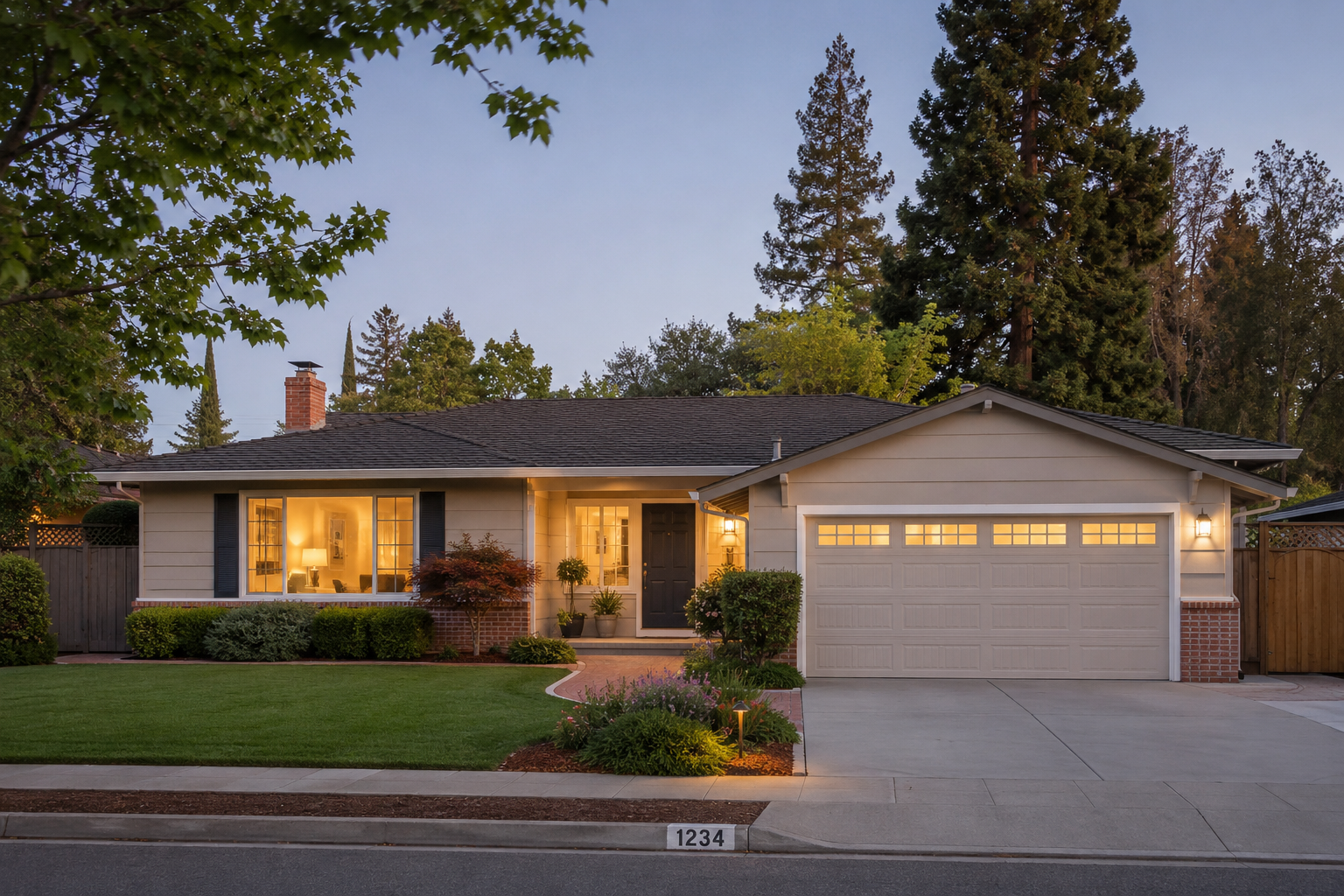
Find the ranch home that fits your life
A Silicon Valley ranch-home search begins with the way you want to live: the relationship between rooms and garden, the usefulness of a single-level plan, and the balance between location, condition and future work. Eric and Janelle Boyenga and the Boyenga Team at Compass help buyers and sellers connect those priorities with the details of an individual property. This regional guide brings together our city resources and the questions that matter before a purchase, renovation or sale.
Ranch is a broad architectural description. It can include modest traditional homes, larger custom properties and designs influenced by mid-century modernism. A ranch-style label does not establish the builder, construction system, age, lot size or accessibility of a house. Treat photographs and listing descriptions as a starting point, then evaluate the actual plan and supporting records.
Explore ranch homes by city
Start with our detailed guides to Palo Alto ranch homes, Mountain View ranch homes and Sunnyvale ranch homes. Each offers a closer look at evaluating the home, its improvements and its setting. Use them to organize questions for a tour and to compare the amount of project you are prepared to take on.
For the wider search, browse our Silicon Valley City Guides, including San Jose, Saratoga and Los Gatos. Compare the specific street, site and home rather than assuming that all ranch properties in one city share the same market or living experience. A regional search is useful for discovering alternatives; a property decision needs local evidence.
Ranch and Eichler are related search interests, not interchangeable labels
A buyer attracted to low rooflines and indoor-outdoor living may also want to explore Eichler homes. The overlap in design interests does not make every glass-walled ranch an Eichler. Builder and architect attribution should be supported by records. Our guides to Palo Alto Eichlers, Mountain View Eichlers and Los Gatos-area and Monte Sereno Eichlers provide a separate starting point for that research.
Read the floor plan before counting the possibilities
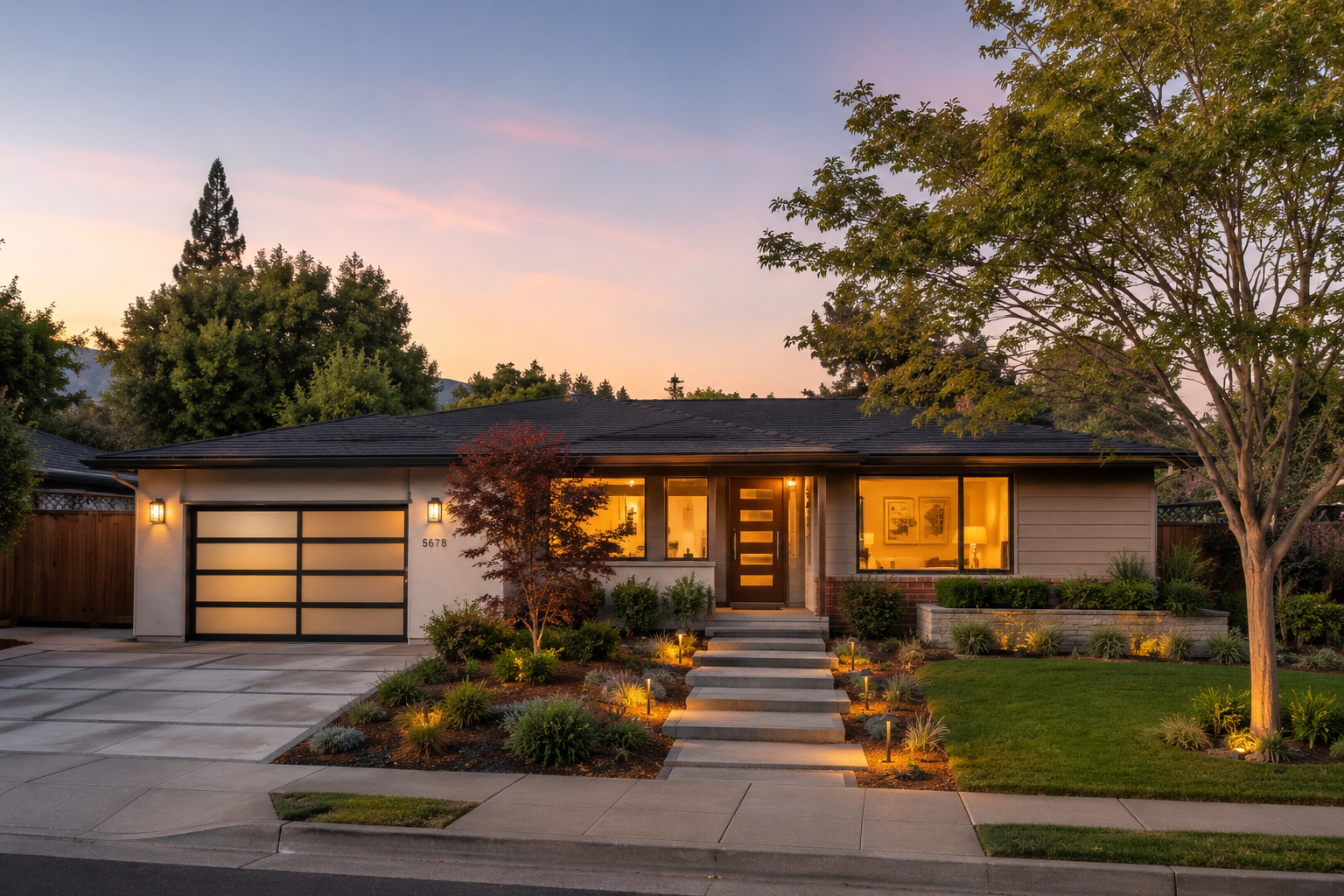
On a tour, follow the routes you would use every day: entry to kitchen, kitchen to outdoor dining, bedrooms to bathrooms, and garage to storage. Consider whether furniture fits without narrowing circulation and whether work, rest and entertaining can coexist comfortably. A single-level home may still have steps at entries, sunken rooms, tight doorways or changes in grade. If accessibility is a priority, evaluate those details directly.
Look at how the house occupies the lot. An attractive yard in a photograph may be shaded, sloped, exposed to neighbors or disconnected from the main living spaces. Walk the outdoor areas, observe drainage and check how doors and windows relate to privacy. Lot area alone does not tell you how much usable outdoor space or future building area a property provides.
Separate maintenance from remodeling
Review the roof, foundation, drainage, electrical system, plumbing and heating with qualified inspectors. Ask what the reports establish, what remains inaccessible and which specialist evaluations are appropriate. A new kitchen does not demonstrate that the underlying systems have been updated, and an older finish does not by itself indicate a structural problem. Obtain a written scope for significant concerns before relying on a broad renovation allowance.
Compare visible changes with available permits and plans. Garage conversions, additions and altered room arrangements deserve particular attention when they affect reported living area or intended use. Ask the governing building department how to obtain records and how to resolve gaps. Documentation, inspection and professional judgment work together; none should be replaced by a marketing description.
Understand the site before planning an addition or ADU
A ranch home’s footprint can make future changes seem straightforward, but feasibility depends on the actual structure, parcel and proposal. Confirm jurisdiction, zoning, setbacks, easements, trees, access and utility considerations with the relevant authorities and professionals. A neighbor’s project or a large backyard does not establish what can be approved on your property.
For a San Jose property, the City’s additions and remodels guidance is a useful starting point. For Palo Alto, consult the City’s planning maps, guidelines and standards. These are separate local resources, not a single Silicon Valley approval process. Confirm current requirements for the exact scope before setting a budget or schedule.
Compare values with relevant evidence
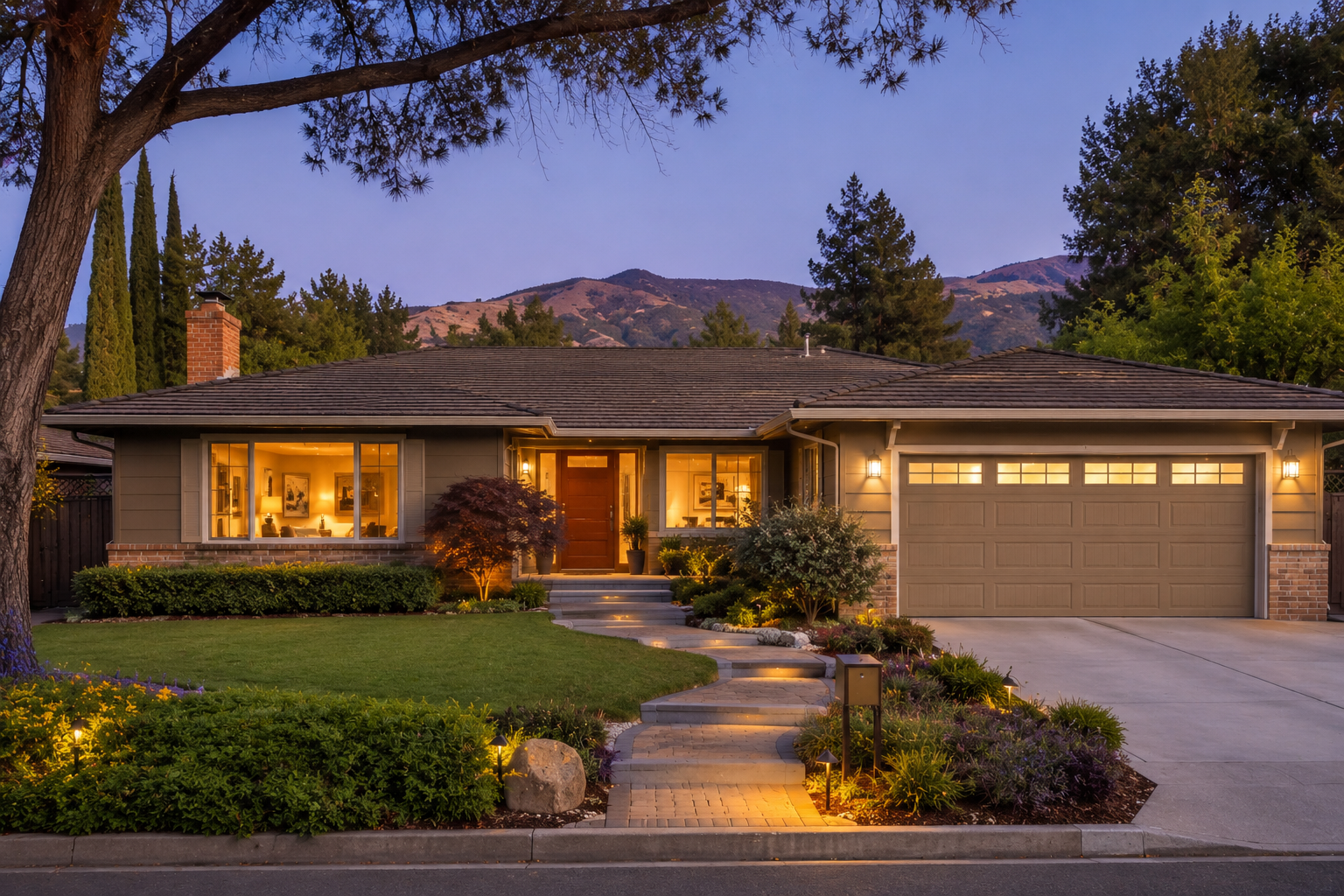
A useful ranch-home valuation accounts for location, condition, functional layout, documented area and the utility of the site. Start with relevant closed sales and explain differences rather than applying a citywide median to every property. Asking prices reveal seller expectations; they are not completed transaction prices. A renovated home, a property requiring substantial work and a redevelopment candidate may draw different buyers even on the same street.
Request an analysis dated to your decision and ask why each comparison was selected. If the search expands to another neighborhood or city, identify the tradeoffs. Price per square foot can help frame questions, but it does not independently value land, improvements, privacy or the cost of a project. No architectural style establishes a guaranteed premium or future rate of appreciation.
For buyers: choose the right level of project
Decide which features must work at move-in and which improvements can wait. Compare the cost and timing of an original home with the documentation and workmanship of an updated one. Include professional design work, permits, carrying costs and temporary accommodation where relevant. Keep uncertainty visible until qualified professionals have evaluated the scope.
Test daily routines from the address, including work routes and access to errands or recreation. If schools are important, verify the exact property with the relevant districts and review current enrollment requirements directly. Confirm insurance and financing terms with the appropriate providers. A house can fit your architectural preferences while requiring a different practical plan than the home next door.
For sellers: make the home easy to understand
Begin with a property file containing available plans, permits, final inspections, repairs and maintenance records. Create a factual account of improvements and identify questions that still need investigation. Then prioritize presentation work that reveals the plan, natural light and connection to the yard. Clear circulation and accurate photographs help buyers evaluate the property on its real merits.
Discuss larger improvements with Eric and Janelle before committing to work solely for sale. Compare expected usefulness with expense, scheduling and the possibility of disrupting original character. Review the scope, eligibility and costs of any optional preparation or marketing service directly. The right plan should reflect the property and your objectives rather than a universal renovation formula.
Plan your next step with Eric, Janelle and the Boyenga Team
For owners staying in place, keep dated records as maintenance and improvements occur. Consider how one project fits with later work on the roof, windows, heating, landscape or accessibility. Ask professionals to explain alternatives that address the same problem so you can choose a sequence that fits your use of the home and your budget.
The Boyenga Team at Compass can help organize a focused search, compare properties and discuss a preparation and pricing plan for your ranch home. Learn more about Eric and Janelle, explore our buyer guidance or review the seller resources. Bring the address, your timeline and the decisions you need to make to a conversation with the Boyenga Team.