
Old Los Altos: Where Historic Character Meets Modern Silicon Valley Living
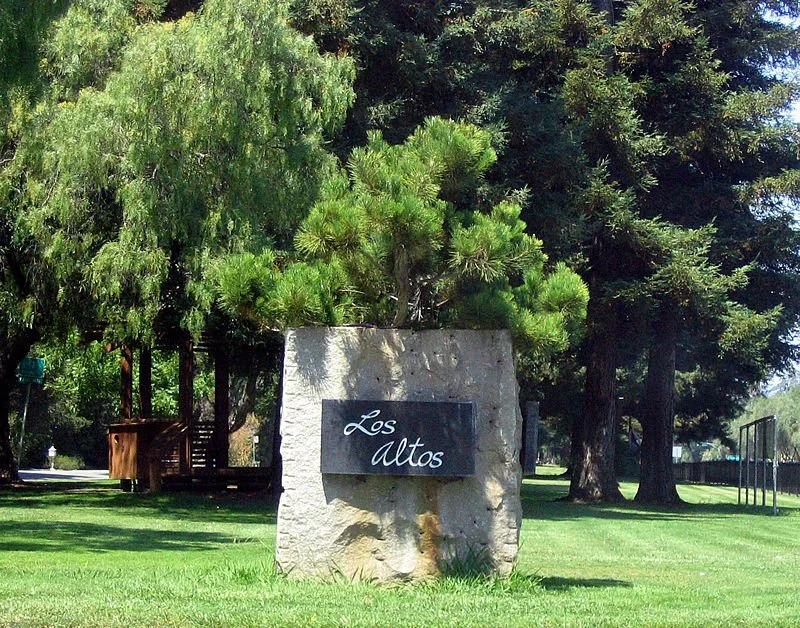
OLD LOS ALTOS NEIGHBORHOOD GUIDE
A Property Nerd guide to the history, architecture, lifestyle and value logic behind one of Silicon Valley’s most enduring residential settings.
Old Los Altos is one of the few places in Silicon Valley where the value proposition becomes clear before you ever step inside a home. You feel it in the mature trees arching over residential streets, in the individual character of the houses, in the ability to walk into the village for coffee or dinner, and in the quiet transition from downtown storefronts to gardens, porches and private outdoor rooms. This is not a neighborhood assembled around a single subdivision plan or one prevailing architectural style. It is a neighborhood that accumulated character over time. Early cottages, prewar homes, California ranches, mid-century designs, remodeled traditional residences and refined new construction all share the same streetscape, giving Old Los Altos a visual depth that is increasingly difficult to find on the Peninsula. The result feels established rather than manufactured, polished without becoming predictable, and connected to Silicon Valley without being consumed by it.
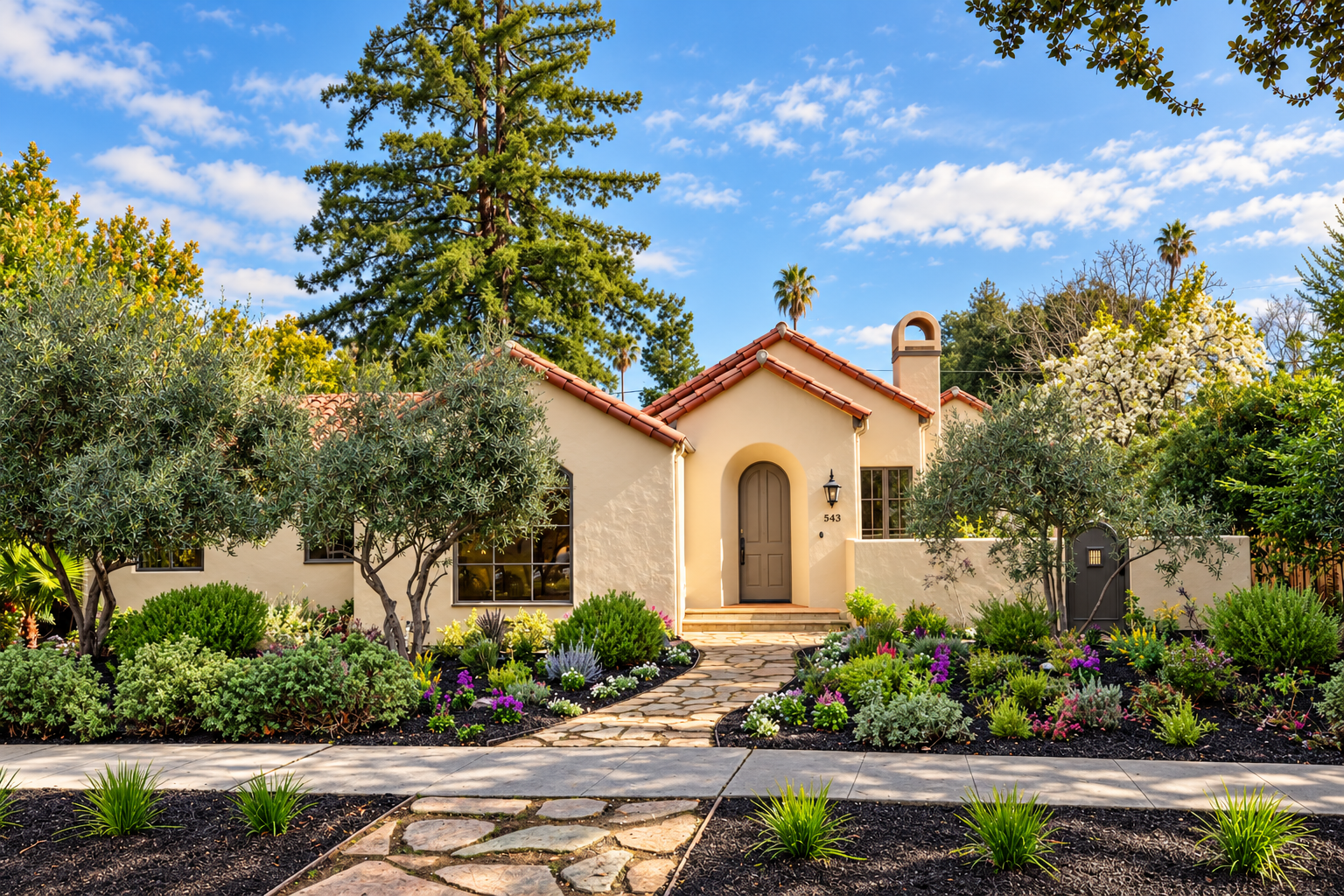
From a Property Nerd perspective, Old Los Altos performs several important jobs at once. It offers village convenience to buyers who want more of life within walking or biking distance, residential calm to those who do not want an urban environment, architectural variety to people who resist cookie-cutter housing, and long-term scarcity to owners thinking about future resale. Many communities can provide one or two of those qualities; very few combine all four. That intersection is the real story. Buyers are not simply purchasing bedrooms, bathrooms and square footage here. They are buying time, access, atmosphere and optionality—the time saved by being centrally located, the access created by proximity to downtown and parks, the atmosphere produced by mature landscaping and distinctive architecture, and the optionality that comes from a valuable site in one of Silicon Valley’s most enduring residential markets.
A Neighborhood Rooted in the Creation of Los Altos
The origins of modern Los Altos date to 1906, when Southern Pacific Railroad executive Paul Shoup and his partners formed the Altos Land Company and purchased approximately 140 acres between Palo Alto and Mountain View from Sarah Winchester. The community developed around the new rail line, initially within a Santa Clara Valley landscape still defined by agriculture and orchards, and Los Altos later incorporated in 1952. Although passenger rail service eventually ended and the former corridor became Foothill Expressway, the village-centered structure established during those early years survived. That history is not merely an interesting preface to the neighborhood; it helps explain why Old Los Altos feels different. Its street pattern, lot configurations, older homes and relationship to downtown emerged organically over generations rather than arriving as a finished suburban product.
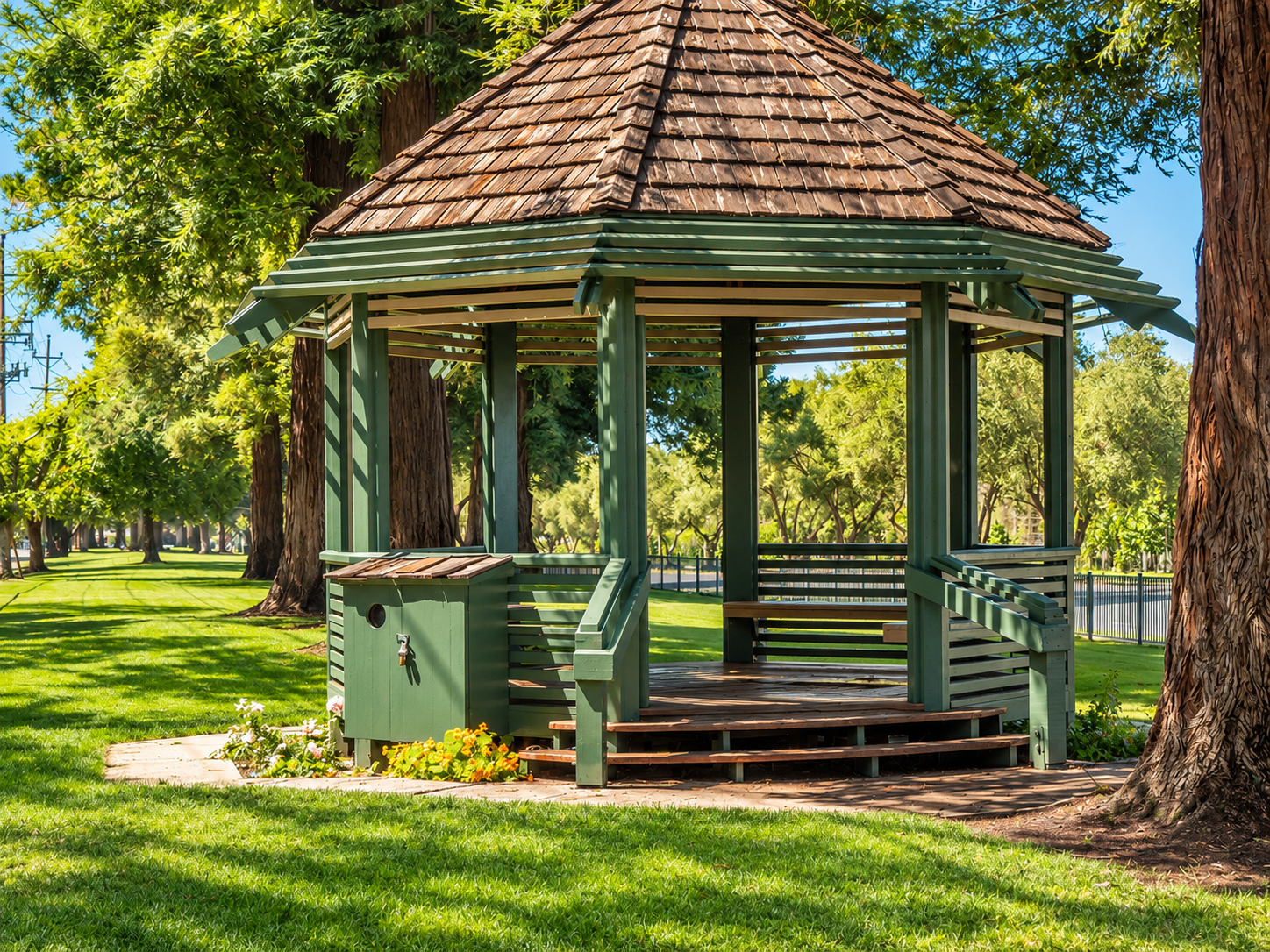
The name Shoup remains embedded in everyday neighborhood life at Shoup Park, while the nearby Los Altos History Museum preserves a deeper record of the city’s railroad and agricultural origins. Even without knowing the history, residents and visitors sense the accumulated texture it produced. Lots are not perfectly standardized. Homes meet the street differently. A compact cottage may sit near a substantial custom residence, while an original ranch house may share a block with a contemporary glass-forward rebuild. In many markets, that inconsistency would be considered a drawback. In Old Los Altos, it is part of the charm and a source of lasting desirability because it allows the neighborhood to evolve without losing its identity. The best new homes do not erase the setting; they interpret it for a new generation.
Defining Old Los Altos: A Micro-Market, Not a Line on a Map
“Old Los Altos” is a widely used neighborhood name, not a separately incorporated district with one universally accepted boundary. In practice, it generally describes the historic residential streets surrounding Downtown Los Altos, especially those from which Main Street, State Street, Shoup Park and the civic center can be reached comfortably on foot or by bicycle. It blends into North Los Altos and other central enclaves, which means a map alone cannot fully explain the market. Two homes located only a few blocks apart may offer meaningfully different experiences because of traffic patterns, street width, sidewalks, lot orientation, nearby uses, park access or the quality of the walk into town.
That is why Old Los Altos must be understood at the micro-location level. The question is not simply, “Is this house in Old Los Altos?” The better questions are: What is the route to the village? Does the lot feel sheltered or exposed? Is the street used primarily by neighbors or as a connector? How does sunlight move across the property? What surrounds the backyard? Are nearby homes largely original, recently remodeled or being replaced? Is the property positioned to appeal to preservation-minded buyers, renovation buyers, new-construction buyers or some combination of all three? These details influence both daily enjoyment and future marketability. In a high-value market, the smallest distinctions can carry the largest consequences, and experienced buyers often recognize them even when an automated valuation model does not.
The Village as an Extension of Home
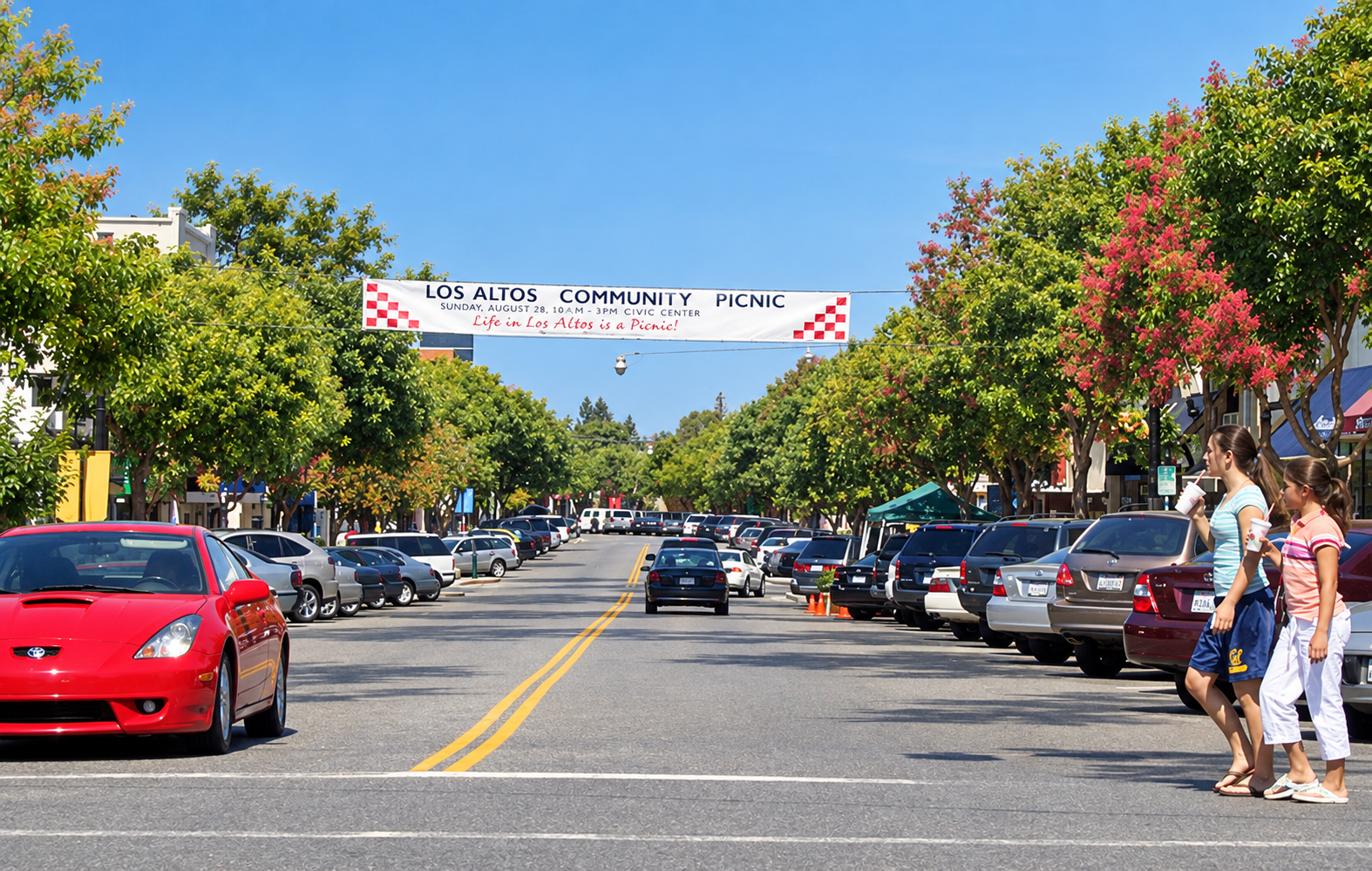
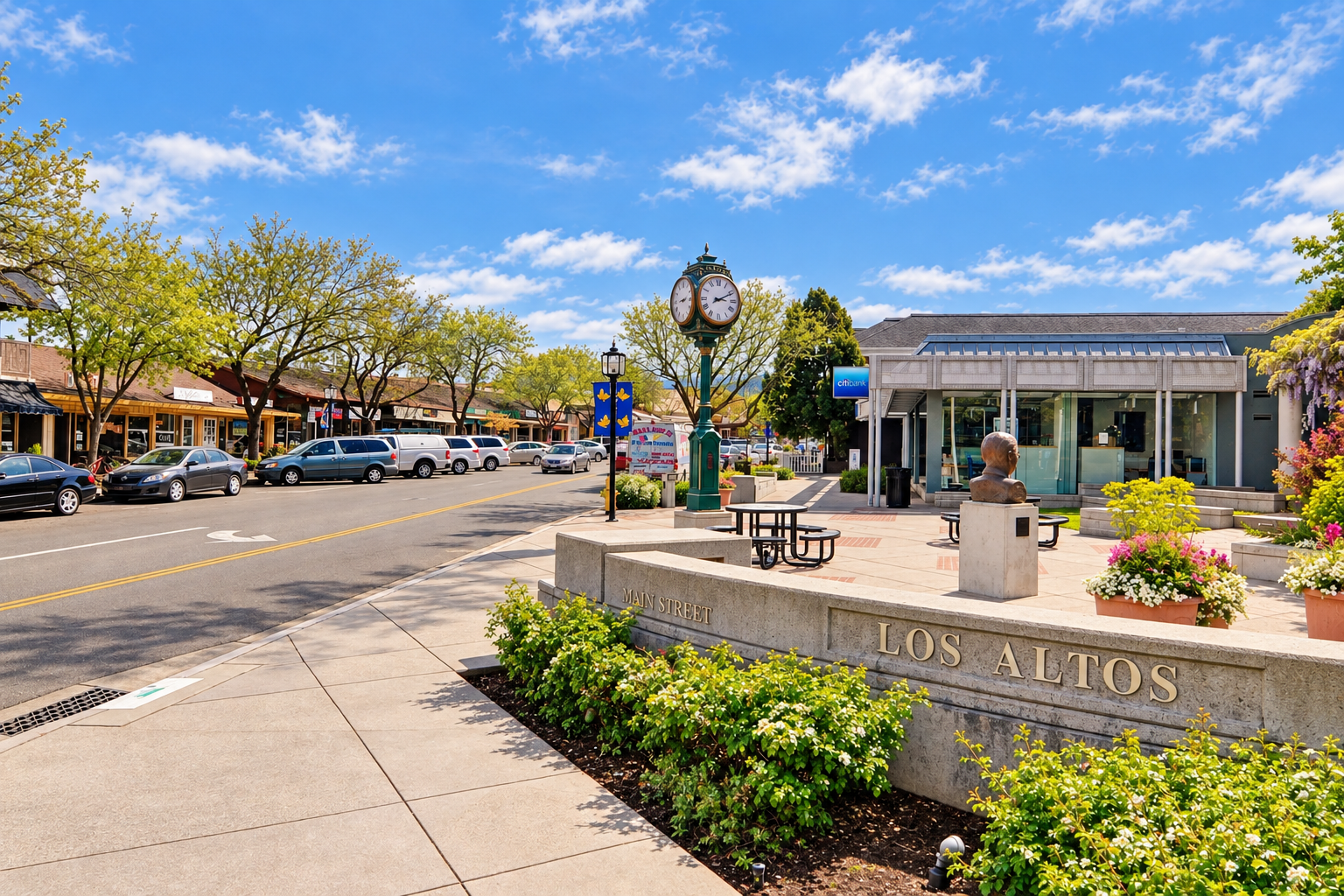
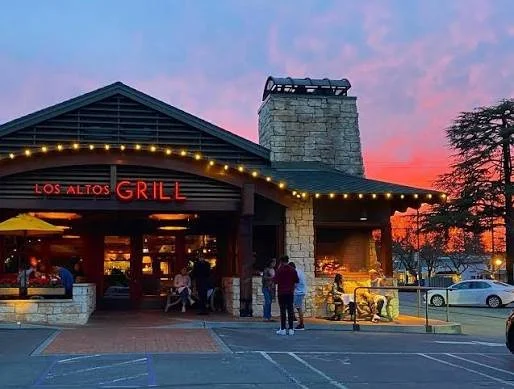
Downtown Los Altos is not a decorative amenity added to the neighborhood story; it is one of the primary reasons Old Los Altos functions so well. Main Street and State Street create a compact, low-rise commercial district with independent shops, restaurants, cafés, professional services and public gathering spaces. The scale is intimate enough that a quick errand can become a chance encounter, a coffee can become a meeting, and an evening walk can end with dinner. Residents can participate in the village without having to live above it, gaining proximity to activity while returning home to residential streets, gardens and privacy. That separation—near, but not on top of—is an essential part of the luxury.
The village also provides the cadence of community life. Seasonal farmers’ markets bring fresh produce, prepared foods and activity to State Street. Arts and wine events, specialty markets, tasting strolls and holiday traditions fill the calendar without turning downtown into a large entertainment district. For residents, these are not necessarily destination events requiring planning; they can become part of an ordinary week. This is the kind of convenience that is difficult to capture in a listing’s walk score because its value is qualitative as well as geographic. A ten-minute walk to coffee is not merely a distance. It changes how frequently a person walks, how often they use local businesses, how connected they feel to town and how much of daily life can happen spontaneously.
The Property Nerd read is that walkability here has a compounding effect. It improves lifestyle today and expands the potential buyer pool later. A beautiful Los Altos home will always attract attention, but a beautiful home with genuine village access speaks to several buyer profiles at once: people moving from San Francisco who are reluctant to surrender walkability, established Peninsula residents looking for a more central location, downsizers who want everyday convenience, and buyers prioritizing long-term scarcity. When a location solves multiple lifestyle problems at once, demand tends to be more durable.
Parks, Nature and Civic Life Woven Into the Neighborhood
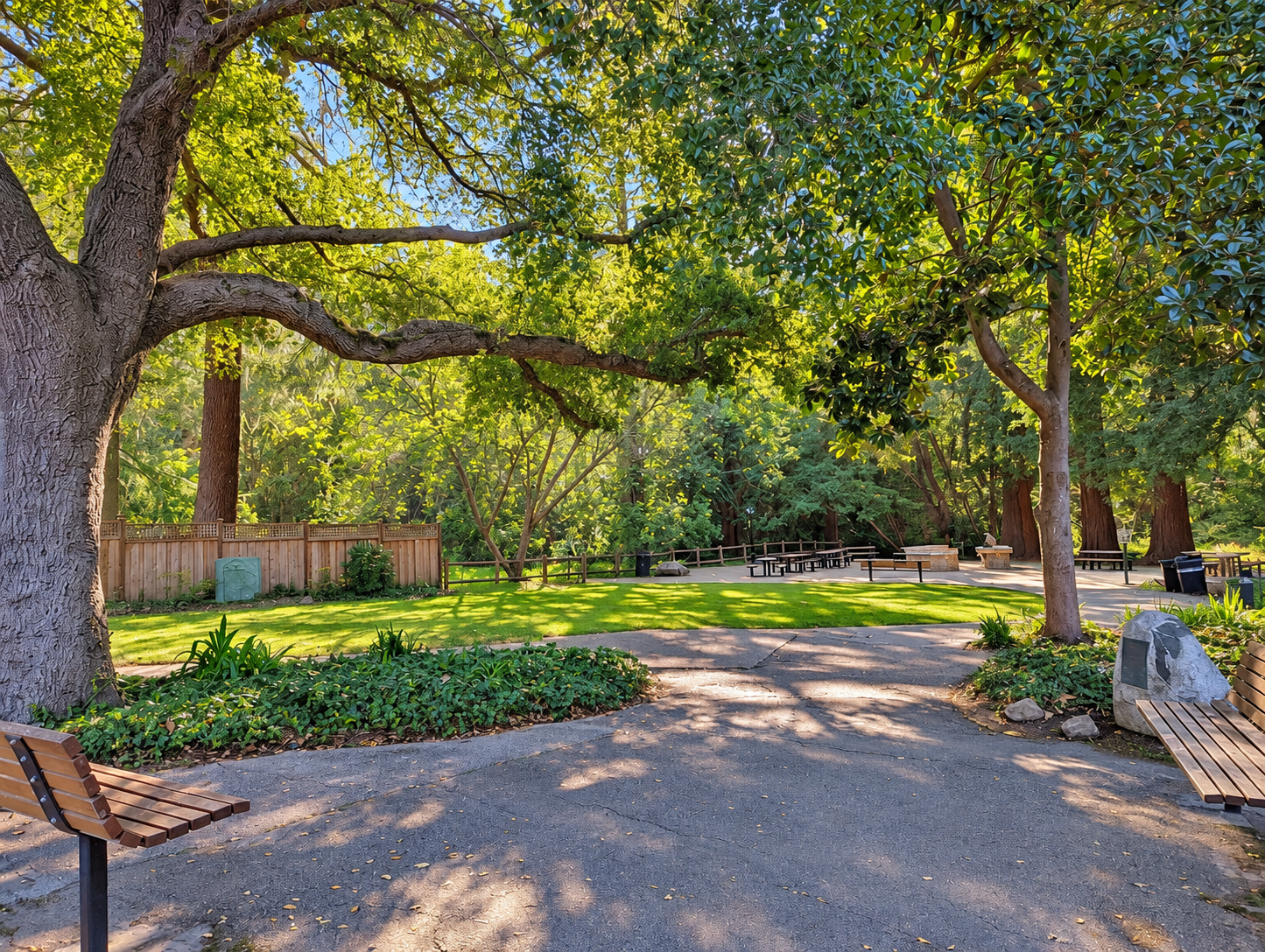
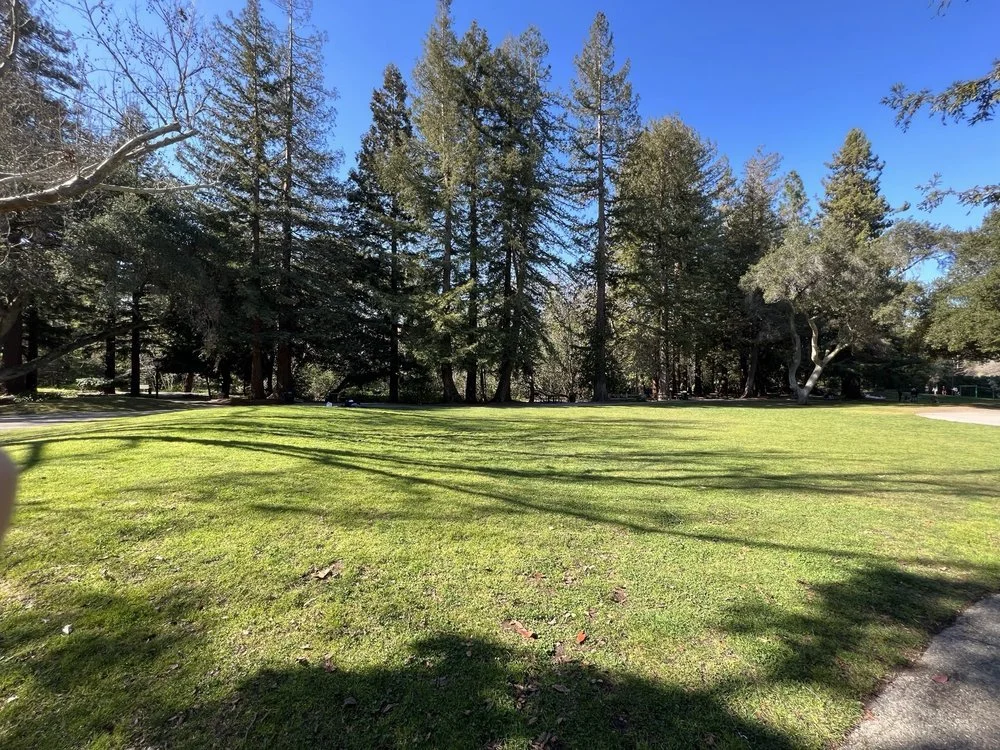
Old Los Altos also benefits from a collection of green and civic spaces that feel integrated into the neighborhood rather than isolated from it. Shoup Park at 400 University Avenue includes lawn, a playground, picnic areas, public art and community facilities beside Adobe Creek. From there, a connecting trail leads toward Redwood Grove Nature Preserve, a 6.12-acre retreat with a boardwalk and hillside trail following the creek. The transition is one of the neighborhood’s small surprises: within minutes of downtown storefronts, the setting becomes shaded, quiet and natural. Lincoln Park adds open green space near the village, while Hillview Park, the Los Altos Community Center, the library, City Hall and the Los Altos History Museum create a broader civic campus within easy reach of many Old Los Altos addresses.
Taken individually, none of these amenities defines the market. Together, they create an unusually complete residential ecosystem. A resident can walk into the village, continue to the library or community center, cross into a park and follow a creekside path without leaving the immediate area. This is what planners might call connectivity, but in real-estate terms it is more personal: the neighborhood gives people choices about how to spend an hour. That freedom is part of what makes a location feel livable over decades rather than merely impressive during a showing. It also helps Old Los Altos serve different phases of ownership, from a demanding Silicon Valley work schedule to more flexible years when proximity to community, nature and daily services becomes even more valuable.

Architecture as a Timeline of Silicon Valley Living
The architectural character of Old Los Altos is best understood as a timeline rather than a category. Early residences reflect the modest scale of the town’s beginnings. Later ranch and mid-century homes speak to the region’s postwar growth and its increasing emphasis on informal living, gardens and a direct relationship between inside and out. Traditional homes brought more formal rooms and layered detailing, while successive renovations adapted older structures to open kitchens, larger primary suites, home offices and a more casual indoor-outdoor lifestyle. Today’s best new construction adds modern engineering, energy efficiency, expansive glass, sophisticated kitchens and flexible secondary living spaces while responding to a neighborhood where trees, setbacks and streetscape still matter.
This variety makes Old Los Altos visually compelling, but it also makes real-estate analysis more demanding. Price per square foot is useful, but it is never the entire answer. A smaller residence with authentic architectural character, exceptional light and a highly walkable site may inspire stronger competition than a larger home with a compromised floor plan. An original house may be valuable because it is beautifully preserved, because it offers a compelling renovation path or because the underlying lot is unusually desirable. A new home may command a premium for construction quality and turnkey ease, yet buyers will still judge how well its scale, privacy and outdoor spaces fit the setting. The market rewards coherence. Size matters, but the relationship between the home, the site and the neighborhood matters more.
That is one of the most “Property Nerd” aspects of Old Los Altos: the quantitative value is driven by qualitative distinctions. Ceiling height, window placement, garden outlooks, arrival sequence, bedroom distribution and the way a kitchen connects to outdoor space can influence emotional response. So can a mature tree in precisely the right place, a side-street garage that reduces the visual presence of cars, or a backyard that feels private despite being close to downtown. These characteristics may not appear cleanly in public data, yet they often explain why one property receives multiple offers while another requires time and adjustment.
The Land Beneath the House
In Old Los Altos, buyers should study the land as carefully as the residence. Published lot size is only the beginning. Width, depth, shape, orientation, setbacks, access, topography, protected trees and the relationship to neighboring homes determine how a property lives today and what may be possible tomorrow. A well-proportioned parcel can be more useful than a larger but awkwardly configured site. A corner or side-access location may create flexibility for a garage, second residence or differentiated outdoor zones, while a beautifully landscaped interior lot may deliver privacy that cannot be recreated quickly at any price.
Sunlight is another underappreciated asset. The direction a home faces, the position of mature trees and the orientation of primary living spaces influence brightness, garden usability and the success of indoor-outdoor design. So does the location of neighboring second stories and windows. Buyers considering expansion or redevelopment should evaluate these factors before assuming that additional square footage will automatically improve the property. The best design is not necessarily the largest permitted envelope; it is the one that preserves light, creates privacy, uses the lot intelligently and produces a home the future market will understand immediately.
Tree regulations, planning standards and permit history also deserve early attention. Mature landscaping contributes enormously to neighborhood character, but it may shape the design process. Older homes may contain additions completed in different decades, and the relationship between public records, permitted area and current use should be understood before purchase. None of this means older properties are problematic. It means they require disciplined due diligence. The goal is to know what you are buying: a finished home, a renovation opportunity, a land opportunity or a hybrid of the three.
Renovate, Reimagine or Build New?
Old Los Altos presents one of Silicon Valley’s most interesting renovation-versus-rebuild questions because both paths can be compelling. A character-rich cottage, ranch or traditional home may contain proportions, craftsmanship or emotional appeal worth preserving. Sensitive renovation can retain that authenticity while improving flow, natural light, energy performance and everyday function. In other cases, an aging structure may have limited architectural distinction, inefficient additions or a configuration that prevents the site from reaching its potential. New construction can then create a more coherent solution, particularly when the design respects the scale of the street and makes intelligent use of outdoor space.
The decision should not begin with a blanket assumption that new is always better or that old must always be saved. It should begin with the property’s “highest emotional use” as well as its physical and financial possibilities. What does the existing house do beautifully? What would be expensive or impossible to recreate? Where does it fail? How much of the projected budget would be spent correcting basic constraints rather than adding value? What will the finished home offer that the future buyer pool actually wants? These are not purely construction questions; they are resale questions. A thoughtful project must work for the current owner while remaining legible and compelling to the next one.
Flexible living has become particularly important. A true home office, guest suite, separate work zone, main-level primary suite or substantial second residence can broaden how a property functions without forcing every activity into the main house. Yet the value depends on execution. Privacy, access, parking, kitchen quality, ceiling height and connection to outdoor areas determine whether secondary space feels genuinely independent or merely additional. In a sophisticated market, buyers recognize that difference quickly.
Schools, Mobility and Address-Level Due Diligence
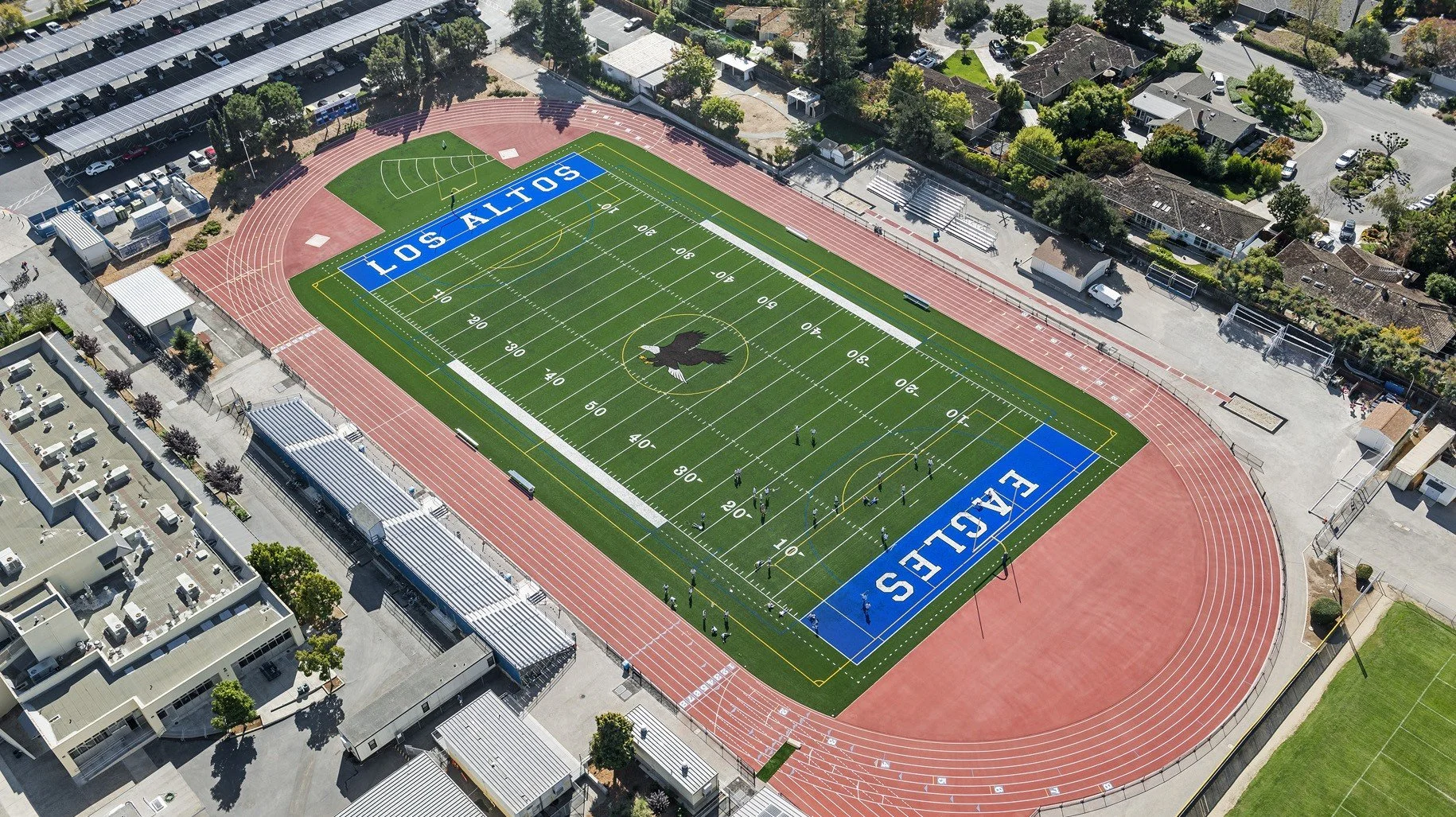
Many Old Los Altos addresses are served by the Los Altos School District for elementary and junior-high grades and the Mountain View–Los Altos Union High School District for high school. The Los Altos School District currently operates seven elementary schools and two junior high schools across a service area that includes most of Los Altos and portions of neighboring communities. Because neighborhood names, postal ZIP codes and school boundaries do not align perfectly, assignments must be verified for each property directly with the applicable district. A nearby school or an address described as Old Los Altos should never be treated as proof of enrollment eligibility.
Mobility deserves the same address-specific approach. The City publishes suggested walking and biking routes through its Safe Routes to School program and continues to plan for pedestrian and bicycle improvements. However, the experience varies by street. Some routes feel exceptionally comfortable and direct; others involve busier crossings or less intuitive connections. Buyers should test the trips that matter to them—downtown, school, work, parks and major commute corridors—at realistic times. Old Los Altos is centrally positioned for Mountain View, Palo Alto, Sunnyvale, Cupertino and the broader Peninsula, but commute value is not measured only in mileage. The most desirable location is the one that minimizes friction in a buyer’s actual week.
Why Old Los Altos Holds Its Appeal
The long-term logic of Old Los Altos begins with scarcity. There is only one historic village core, and the number of residential properties within an easy walk of it cannot expand meaningfully. Homes can be remodeled and lots can be redeveloped, but proximity itself cannot be manufactured. Mature trees take decades to establish. A layered streetscape cannot be installed in one building cycle. Community traditions and local businesses accumulate over time. These are durable assets because they are difficult to reproduce.
Scarcity alone, however, does not guarantee value. What strengthens Old Los Altos is that the scarce qualities are also useful. Walkability saves time. Parks and civic spaces support everyday life. Architectural variety accommodates different tastes. Centrality improves access to major Silicon Valley destinations. Lot value creates future flexibility. The neighborhood is not dependent on a single employer, one architectural trend or one stage of life. Its appeal travels across buyer categories, which is one reason well-positioned properties can perform so strongly when they are presented and priced correctly.
The emotional component is equally important. Buyers often make their final decision when they can picture the rhythm of living somewhere: the morning walk into town, the garden seen from the kitchen, the route to Shoup Park, the dinner that does not require a long drive, the quiet return home after a demanding day. Old Los Altos makes that visualization easy. The neighborhood feels understandable at human scale, even though it sits at the center of one of the world’s most consequential technology regions.
The Seller’s Advantage—and the Need for Precision
Selling an Old Los Altos home requires more than publishing its features and relying on the ZIP code. Buyers entering this market are often highly informed and quick to compare properties across micro-locations. The marketing must therefore explain why the home deserves attention within Old Los Altos, not merely why Old Los Altos is desirable. Is the route downtown especially attractive? Is the lot wider, deeper or more private than competing sites? Does the architecture have a quality that cannot be replicated economically? Does the floor plan solve for multigenerational living, work-from-home needs or long-term adaptability? Were renovations cohesive and well executed? Is there a second residence that functions at the same standard as the main home? What, precisely, would a buyer lose by letting this property go?
Preparation should be just as tailored. A preserved older home may need editing, restoration and strategic lightening rather than a generic cosmetic overhaul. A remodeled residence may benefit from clarifying the sequence of improvements and the quality behind the finishes. A new home requires exacting presentation because buyers will inspect the craftsmanship, proportions and landscape integration as closely as the appliance list. Photography should reveal the relationship between architecture and setting, especially the way light moves through the home and how interior spaces connect to gardens, terraces and courtyards. The objective is not staged perfection; it is visual truth presented at its most compelling.
Pricing must account for details broad market averages miss. Square footage, lot size and bedroom count provide a framework, but the adjustment process should also consider village proximity, street character, privacy, architectural integrity, renovation quality, outdoor usability, secondary living space and the likely emotional response of the target buyer. In Old Los Altos, an excellent pricing strategy does not flatten those differences. It monetizes them.
562 Palm Avenue: A New Interpretation of the Old Los Altos Compound
New Construction | Two Residences in Old Los Altos
562 PALM AVENUE
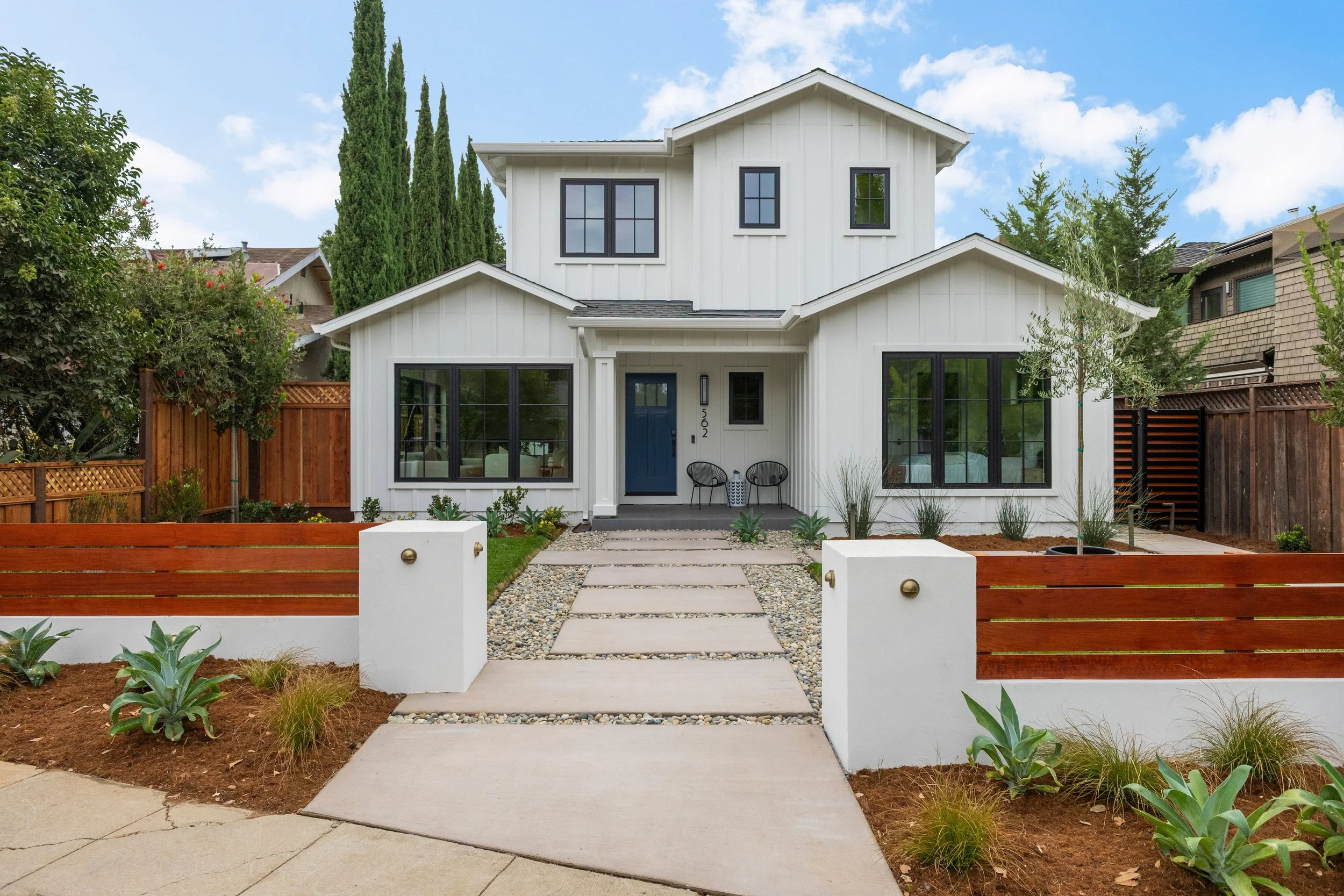
For buyers who want the history and lifestyle of Old Los Altos without inheriting an older home’s projects, 562 Palm Avenue presents a rare contemporary answer. Set on an approximately 6,850-square-foot lot, the newly constructed property offers approximately 3,383 square feet of total living space across a two-story main residence and a substantial two-story second residence. It is not simply a large house with extra space. It is a carefully organized residential compound that allows different parts of life to coexist with greater independence, all within reach of Downtown Los Altos and just steps from Shoup Park.
The approximately 2,261-square-foot main residence includes four bedrooms, three and one-half baths and dual primary suites, with one on each level. That distribution creates immediate flexibility for guests, extended household needs or long-term living without sacrificing privacy. At the center of the home, the family room, dining area and chef’s kitchen form an expansive great room designed for connection, while a separate formal living room introduces a quieter and more architectural counterpoint through a dramatic linear fireplace with stone surround. Wide-plank oak floors, black-framed windows and expansive glass doors reinforce the home’s clean lines and pull natural light and garden views into the interiors.
The kitchen balances performance with visual warmth through custom cabinetry, a contrasting blue island, quartz countertops, brushed-gold accents, Thermador and Bosch appliances, and a beverage cooler. Upstairs, the primary suite becomes a private retreat with its own balcony, walk-in dressing area and spa-inspired bath featuring heated floors and dual vanities. Laundry facilities on both levels demonstrate the less glamorous but equally important side of good design: a house should not only photograph beautifully; it should remove friction from daily life. An owned solar array and 220V EV charging further align the property with the practical expectations of modern Silicon Valley ownership.
The approximately 1,122-square-foot second residence adds two bedrooms and one and one-half baths, including a downstairs bedroom or office and an upstairs primary suite. Its scale and two-story layout make it far more substantial than a token accessory space. It can support independent living, guests, focused work or a combination of uses without asking the main residence to absorb every need. Both homes relate to a landscaped central lawn and bluestone-and-brick terraces, creating a shared outdoor heart while preserving separation within the compound. Gated side-street access leads to the attached two-car garage, reducing the visual impact of vehicles and allowing the property’s residential architecture and landscaping to lead the arrival experience.
From a Property Nerd standpoint, 562 Palm Avenue succeeds because it solves a difficult equation: new construction plus meaningful secondary living space plus genuine Old Los Altos proximity. Each of those characteristics is valuable independently; finding them together is exceptionally uncommon. The property offers the low-maintenance ease and engineering of a new home while retaining the village-centered lifestyle, mature neighborhood context and location scarcity that make Old Los Altos so enduring.
The Property Nerd Conclusion
The strongest property decisions happen where data, design, location and human behavior intersect.
THE PROPERTY NERDS® OF SILICON VALLEY
The smartest way to understand Old Los Altos is to ask what job the neighborhood performs for its residents and owners. It creates breathing room without isolation. It provides walkability without urban intensity. It offers architectural individuality without sacrificing market depth. It connects residents to downtown, parks, schools, civic life and Silicon Valley employment while protecting the sense that home should feel separate from work. And because those qualities appeal to several generations and buyer profiles, the neighborhood carries a resilience that extends beyond any single design trend or market cycle.
The right Old Los Altos purchase is not automatically the newest home, the largest floor plan or the lowest price per square foot. It is the property where micro-location, land, architecture, condition, privacy, flexibility and price align. Likewise, the strongest sale is not achieved by repeating broad claims about Los Altos. It comes from identifying the property’s irreplaceable qualities, preparing them thoughtfully and communicating their value with enough precision that the market can see what the spreadsheet alone cannot.
Eric and Janelle Boyenga bring that combination of analytical rigor and human understanding to every Old Los Altos assignment. As The Property Nerds® of Silicon Valley, the Boyenga Team studies the details that automated estimates and generalized neighborhood reports routinely miss: lot utility, improvement history, construction quality, architectural integrity, buyer psychology, future flexibility and resale logic. Whether you are comparing homes, evaluating a renovation or redevelopment opportunity, or preparing a distinctive property for market, our job is to help you understand not only what a property may be worth, but why—and how to protect and enhance that value.
Thinking about buying or selling in Los Altos?
We’re Eric & Janelle Boyenga — the Property Nerds at Compass. Since 1996, we’ve helped Silicon Valley families buy and sell with data-driven pricing, sharp negotiation and beautiful marketing. Let’s talk about your next move — no pressure, just answers.
Get Your Free Home Valuation Call or Text (408) 373-1660 Email Us
Selling? Ask about Compass Concierge — we front the cost of staging, paint and repairs, and you pay nothing until closing.